
 By Susan Werner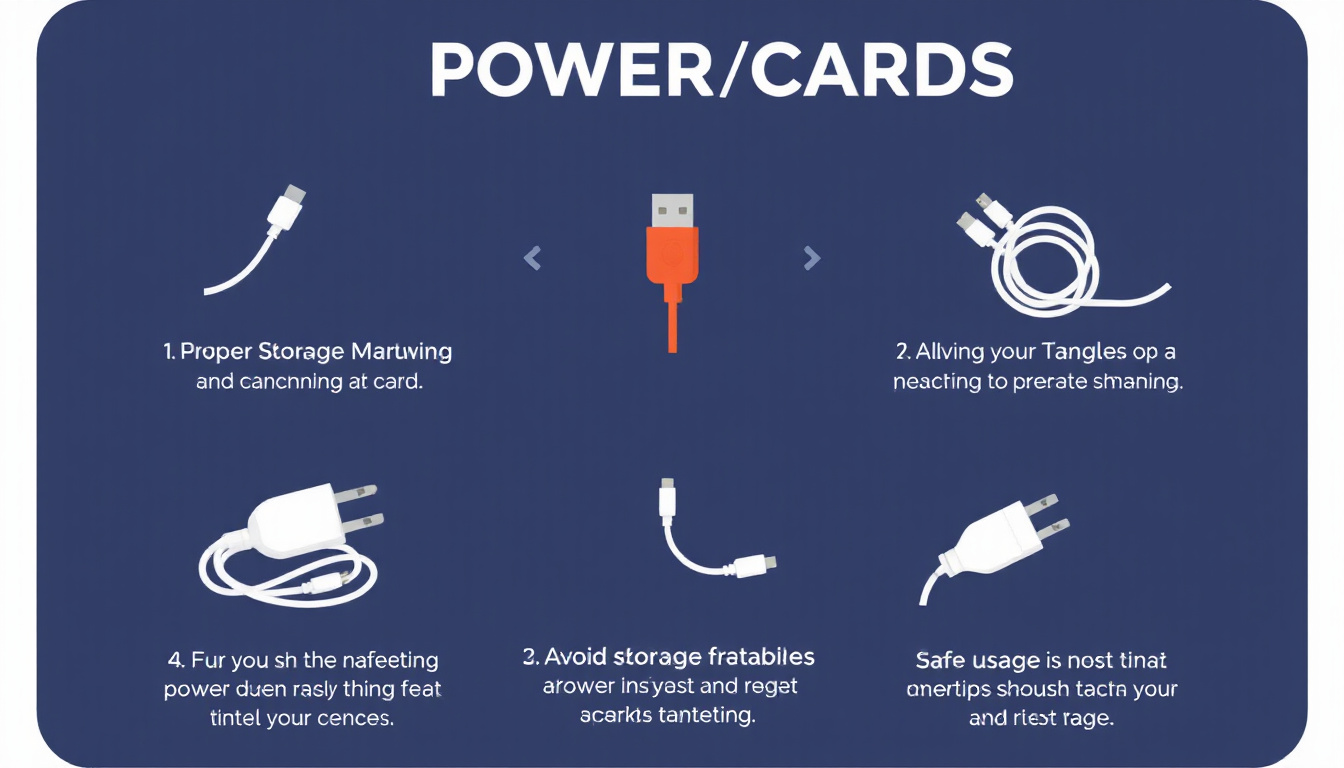
Power cords are vital components in our daily use of electrical appliances and devices. They enable the safe transmission of electricity from the power source to your equipment. However, like any other item, power cords require proper care and maintenance to ensure their performance and extend their lifespan. Neglecting your power cords can lead to dangerous situations, including electric shocks or fires. This article provides essential tips for keeping your power cord in good condition, enhancing both safety and longevity.
Understanding the Structure of Power Cords
To maintain power cords properly, it’s helpful to understand their basic structure:
- Electrical Conductor: Usually made of copper wires that carry the electric current.
- Insulation: A protective layer that prevents the current from escaping and protects users from electric shocks.
- Filling Layer: Often placed between the conductor and insulation, providing shape and stability.
- Outer Cover: Shields the cord from environmental damage like moisture, heat, and physical wear.
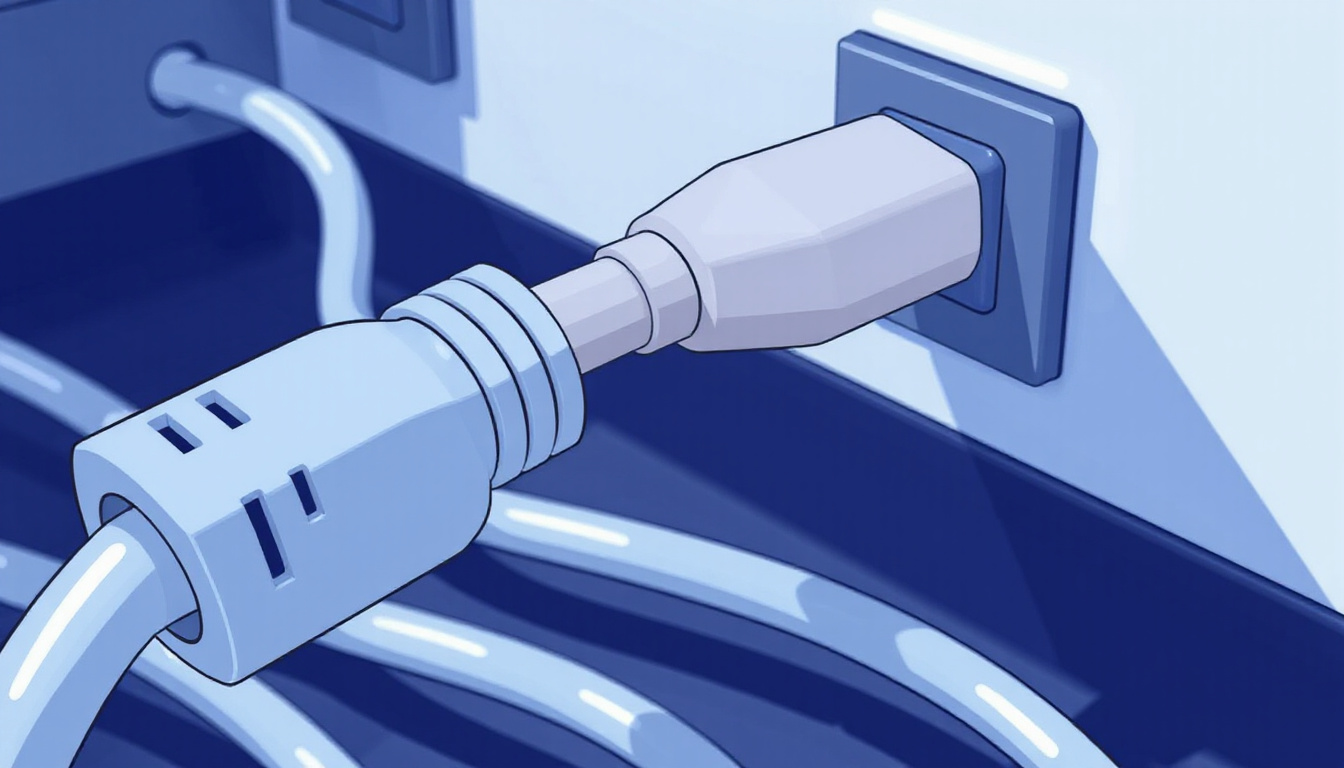
Depending on the number of conductors and construction, cords can be unipolar (one conductor), multipolar, flat, round, braided, or coaxial. Each design serves specific purposes and requires mindful handling.
Tips to Keep Your Power Cord in Good Condition
1. Avoid Twisting and Bending Sharply
Copper wires inside power cords are flexible but can suffer damage from excessive bending or twisting. This can cause internal breaks or short circuits. When using or storing your cords, handle them gently to prevent stress on the wires.
2. Properly Coil and Store Your Cords
Coiling cables properly prevents tangling and damage. The recommended method is the natural coil, where the cord follows its own curve without forced bending. Avoid tight loops or wrapping cords around objects like poles, which causes kinks.
3. Keep Cords Dry and Clean
Moisture can degrade insulation and increase the risk of electric shock or shorting. Always keep your cords dry; if they get wet, unplug and dry them thoroughly before use. Additionally, clean cords regularly to remove dust and debris that may deteriorate the cover.
4. Avoid Pinching or Crushing the Cord
Cords should not be trapped under furniture, doors, or heavy objects. Pinching can damage the insulation or internal wires, creating hazards. Ensure cords run in safe paths away from walkways or sharp edges.
5. Regularly Inspect for Damage
Frequently check your power cords for signs of wear such as cracking, cuts, exposed wires, discoloration, or fraying. Damaged cords should be repaired by professionals or replaced immediately to avoid electrical hazards.
6. Use Cord Protection When Necessary
If cords must pass through tight spaces or high-traffic areas, use protective coverings such as cable sleeves, conduits, or guards. These accessories help reduce wear and accidental damage.
7. Avoid Overloading Your Power Cord
Ensure the power cord and connected appliances match the rated current capacity. Overloading cords can cause overheating and insulation damage, leading to fires.
8. Disconnect Properly
When unplugging, always grasp the plug itself rather than pulling the cord. Pulling by the cable stresses connections and can cause internal wire separation.
Enhancing Safety and Longevity
By following these maintenance tips, you not only keep your power cords functioning well but also minimize risk to yourself and your property. Proper care helps avoid common electrical malfunctions and costly repairs or replacements.
Conclusion
Taking a few simple precautions can significantly extend the life of your power cords and enhance your safety when using electrical devices. Treat your power cords gently, store them correctly, keep them clean and dry, and inspect them regularly. If you notice any damage, address it promptly. With mindful use and maintenance, your power cords will serve you well for years to come.
>> Chest Freezer Reviews <<
>> Upright Freezer Reviews <<