
 By Susan Werner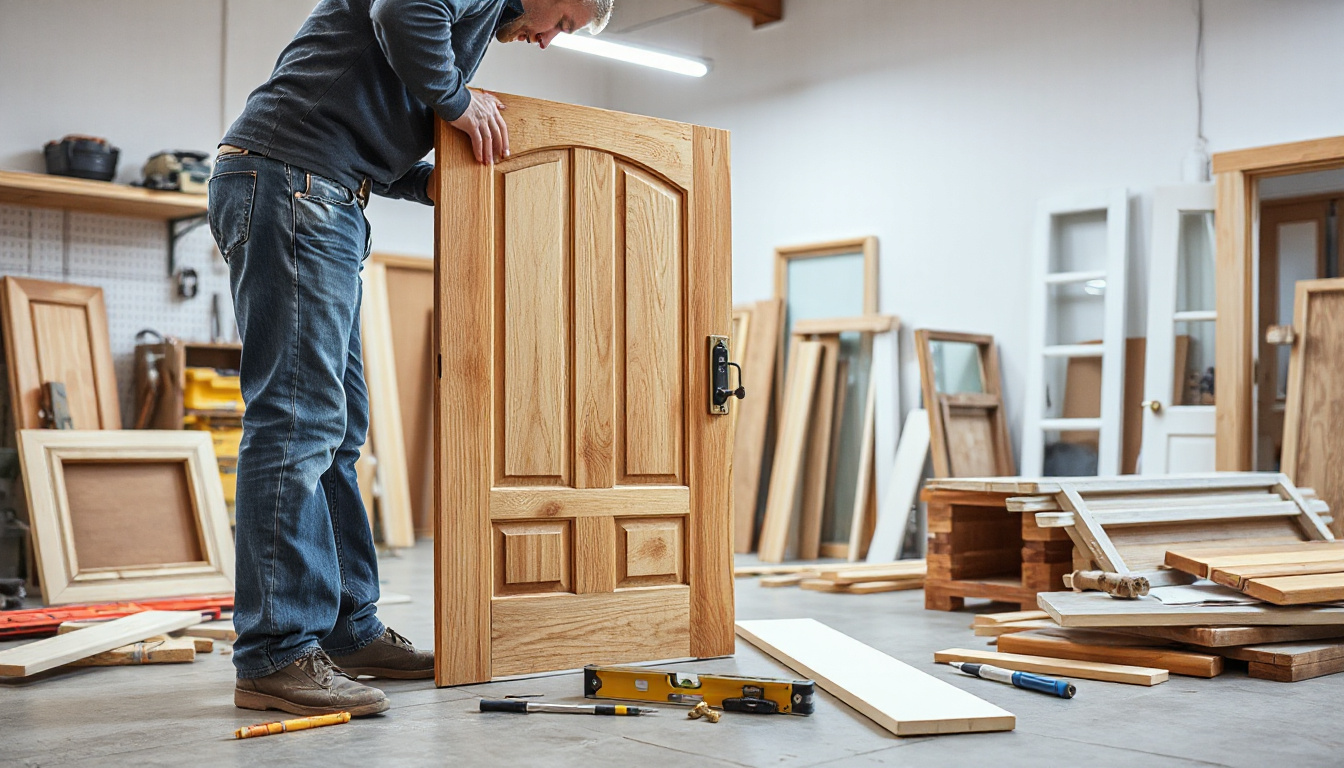
A properly aligned door is essential for smooth operation, home security, and energy efficiency. Misaligned doors cause sticking, rubbing, uneven gaps, drafts, and can even lead to long-term structural damage if left unattended. This guide will walk you through the key causes of door alignment issues, how to check if your door is misaligned, and effective solutions to restore perfect operation.
Understanding Door Alignment
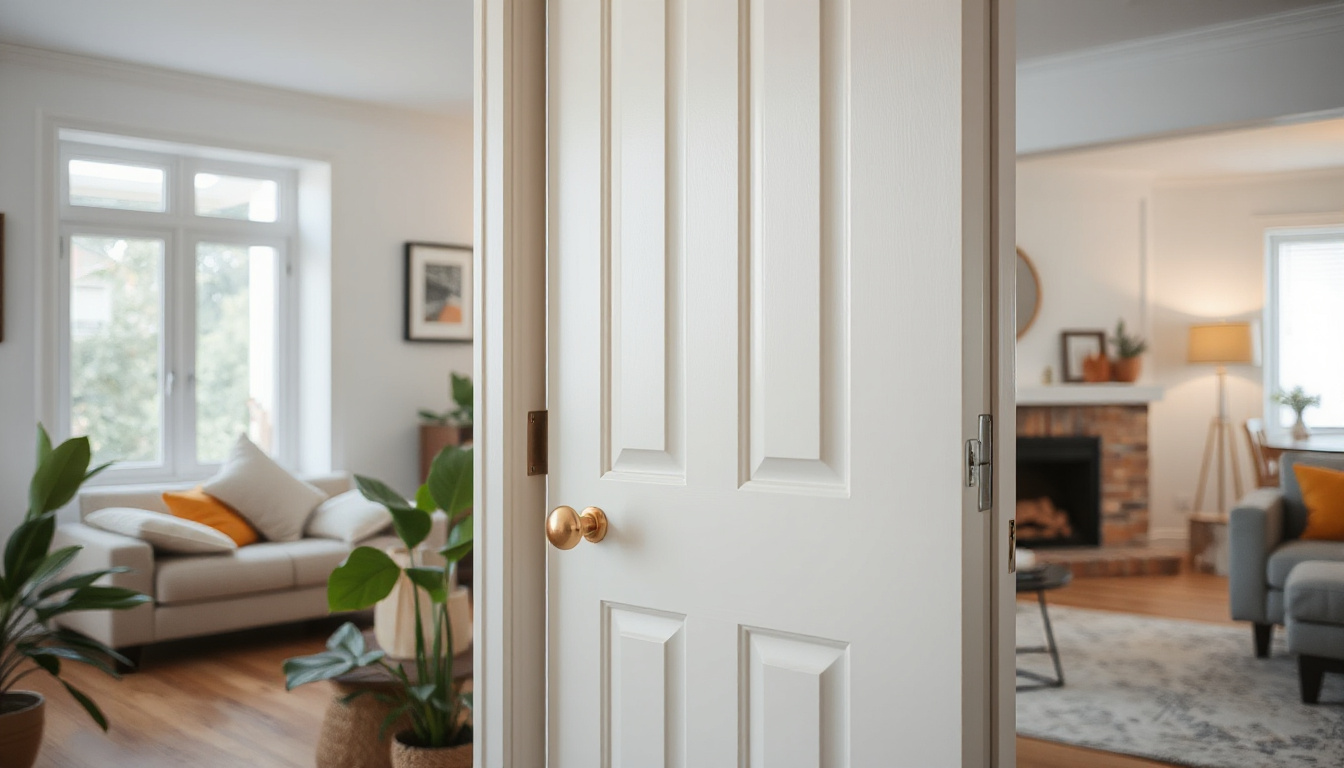
Door alignment refers to how well the door fits and sits within its frame when closed. A perfectly aligned door has uniform gaps—about the thickness of a nickel—around all edges. When a door is misaligned, the gaps become uneven or the door may rub against the frame, causing operational problems.
Why Door Alignment Matters
- Energy Efficiency: Gaps caused by misalignment let drafts in, increasing heating and cooling costs.
- Security: A door that doesn’t latch properly jeopardizes home security.
- Longevity: Misalignment can cause damage to door frames and walls, leading to costly repairs.
How to Check Door Alignment
Here are simple steps and tests to determine if your door is misaligned:
-
Visual Gap Inspection: Close the door and observe the spacing around the door edges. Gaps should be uniform; wider gaps at the top or one side indicate misalignment.
-
Strike Plate Test ("Lipstick Test"): Apply a thin layer of lipstick or chalk on the door latch edge. Close the door to see where the latch hits the strike plate. If off by more than an eighth of an inch, alignment needs correcting.
-
Draft and Light Check: Look for daylight or feel drafts around the edges of the closed door. These are signs of uneven sealing due to misalignment.
-
Movement & Noise: Listen for squeaks, creaks, or rubbing sounds when opening or closing. Visible scratches or scuff marks on the frame where the door rubs are also indicators.
Common Causes of Door Misalignment
1. Loose or Worn Hinges
Hinges bear the door’s weight and keep it square in the frame. Over time, repeated use loosens screws, causing doors to sag or lean. Metal fatigue or bent hinge plates due to wear worsen misalignment.
- Signs: Door sags toward latch side, squeaking sounds, or screws that spin freely.
- Fix: Tighten screws, replace bent hinges, and lubricate hinge pins with silicone spray (avoid oil-based lubricants which attract dust).
2. Foundation Settling
Soil movement beneath a home’s foundation can shift the door frame out of square, causing multiple doors and windows to suddenly stick or not close properly.
- Signs: Multiple doors/windows sticking, cracks in drywall, uneven floors.
- Action: If foundation settling is suspected, contact a professional for inspection and repair.
3. Humidity and Temperature Changes
Wood doors absorb moisture and expand in high humidity, then shrink in dry conditions. This natural swelling and shrinking leads to warping or sticking, especially in climates with seasonal humidity fluctuations.
- Tip: Use aluminum or fiberglass doors in humid regions to avoid typical wood expansion problems.
4. Improper Installation
A door not installed level, plumb, or without proper shimming can sag or stick soon after installation.
- Signs: Poor fit from the start, uneven gaps that worsen over time.
- Recommendation: Professional installation ensures the door is anchored correctly and aligns well.
5. Heavy or Repeated Use
High-traffic doors experience more wear on hinges and components, which can gradually cause misalignment.
How to Fix Door Alignment Issues
Step 1: Tighten or Replace Hinges
- Tighten all hinge screws with a screwdriver.
- If screws won’t tighten, consider replacing with longer screws for better anchoring.
- Replace bent or damaged hinges outright.
- Lubricate hinges to reduce noise and ease movement.
Step 2: Adjust the Door Position
- Shim the Hinges: Use thin cardboard or wooden shims behind the hinge plates to slightly reposition the door.
- Deepen Hinge Mortises: Chisel the recess in the frame or door edge for the hinge plate to sit deeper if needed.
- Realign Strike Plate: If the latch does not line up, reposition the strike plate slightly by loosening screws and moving it.
Step 3: Address Warped Doors
- For minor warping of wood doors, sanding down rubbing areas can help.
- Severe warping usually requires door replacement.
Step 4: Consult Professionals for Foundation Repairs
If multiple doors and windows are misaligned, or if there are signs of foundation damage, a structural specialist should evaluate and repair the foundation.
Preventive Maintenance Tips
- Regularly check and tighten hinge screws.
- Lubricate hinges every few months with a silicone-based lubricant.
- Inspect for early signs of misalignment seasonally.
- Keep humidity levels in your home stable with dehumidifiers or HVAC control.
- Ensure proper drainage around the home to prevent foundation settling.
Conclusion
Door alignment is a critical factor for smooth door operation, home security, and energy efficiency. By understanding the causes, learning simple inspection methods, and applying straightforward fixes—like tightening hinges, shimming, or adjusting strike plates—you can keep your doors functioning perfectly. For major issues like foundation movement, professional help will ensure long-term stability and alignment. With proper care, your doors will continue to open and close effortlessly for years to come.
By mastering door alignment, you safeguard your home’s comfort, security, and aesthetics with just some attentive observation and timely action.
>> Chest Freezer Reviews <<
>> Upright Freezer Reviews <<