
 By Susan Werner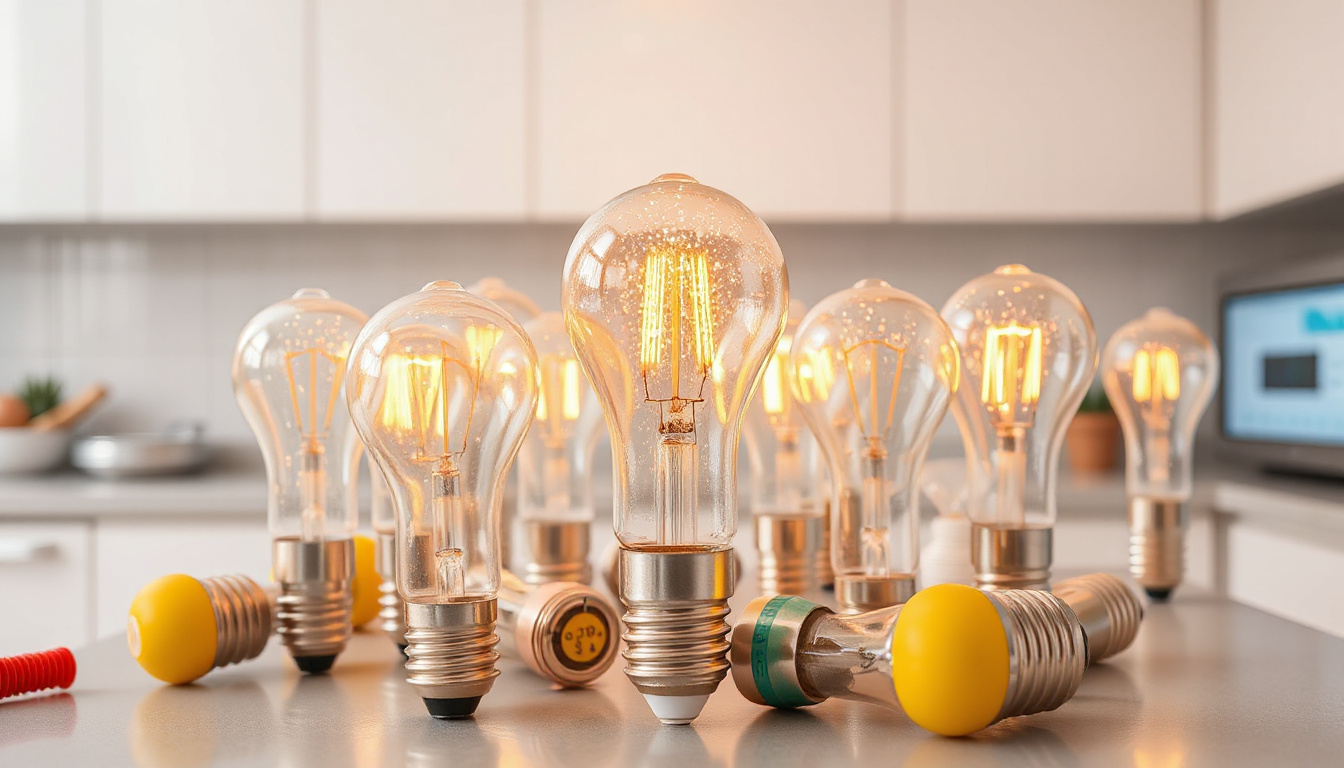
Keeping your light bulbs clean is a simple yet impactful way to maintain an inviting, well-lit home environment. Over time, dust, grime, and other residues accumulate on bulbs and fixtures, dimming their brightness and reducing energy efficiency. This guide walks you through safe and effective methods for cleaning light bulbs and related fixtures, offering tips for all kinds of bulbs, shades, sockets, and even hard-to-reach lighting.
Why Clean Your Light Bulbs?
Dirty light bulbs can shed up to 30% less light than clean ones, directly affecting the illumination level in your space. Dust and grime act like natural dimmers, leading to a dull ambiance, higher electricity use when you compensate by turning on additional lights, and sometimes even overheating or damage to the bulbs. Regular cleaning not only enhances brightness but can also prolong the life of your bulbs while making your home smell fresher if you add a light scent during cleaning.
Preparing for Light Bulb Cleaning: Safety First
Before cleaning any bulbs or fixtures, ensure safety by:
- Turning off power to the lights at the switch or circuit breaker to avoid electrical hazards.
- Allowing bulbs to cool completely—wait at least 30 minutes after turning off.
- Using stable ladders or step stools with four legs firmly on the ground for high or ceiling fixtures.
- Avoiding the use of cleaning liquids directly on metal sockets or bulb bases to prevent moisture-related damage.
- If you feel uncertain about cleaning high or complex fixtures, consider professional cleaning services for safety.
How to Clean Light Bulbs Properly
Basic Cleaning for Standard Bulbs
- Turn off the light and unplug or switch off the power.
- Let the bulb cool down fully.
- Carefully unscrew the bulb by cupping it gently, preventing slips or drops.
- Use a dry, soft cloth or a very well-wrung damp cloth to wipe off dust and grime.
- Avoid soaking bulbs or using strong chemical sprays directly on them.
- For an extra fresh touch, wipe bulbs with a cloth lightly dampened with essential oils such as lavender or lemongrass. This scent will gently disperse when the bulb heats up (not suitable for most LED bulbs which do not get hot).
- Ensure the bulb is completely dry before screwing it back into the fixture.
Cleaning Glass Light Fixtures and Shades
Glass light covers and shades require some disassembly but reward you with sparkling results:
- Remove glass covers carefully to avoid breakage.
- Soak covers in warm, mild soapy water if sticky dust or spots are present.
- Rinse and dry with a microfiber cloth to prevent streaks or watermarks.
- Wipe the metal parts of the fixture with a dry or lightly damp soapy cloth, being careful to keep water away from sockets.
- Reassemble only after all parts are thoroughly dry.
How to Clean Lamp Shades by Material
- Fabric shades: Use compressed air or a vacuum with a soft brush attachment to remove dust. For deeper cleaning, gently hand wash with mild detergent or spot clean.
- Paper shades: Remove marks gently with a gum eraser.
- Wicker shades: Dust with a dry microfiber cloth; clean stubborn dirt with a mild soapy solution and a soft brush without soaking.
- Metal shades: Clean with a mild dish soap and water solution; avoid vinegar or acidic cleaners that may discolor metal.
- Plastic shades: Wash with warm soapy water and dry fully.
For all lampshades, wipe bulbs with a dry microfiber cloth before reassembling.
Cleaning Light Bulb Sockets
Sockets can gather dust and corrosion, which may interfere with the bulb’s connection:
- Ensure power is off and fixture unplugged.
- Use a dry cloth or paper towel for light cleaning.
- For light corrosion or grime, gently wipe contacts with a cotton swab dipped (not dripping) in isopropyl alcohol.
- Let the socket air dry for 10-15 minutes before reinstalling bulbs.
- If corrosion is severe, consider replacing the socket or fixture.
Tips for High and Hard-to-Reach Lights
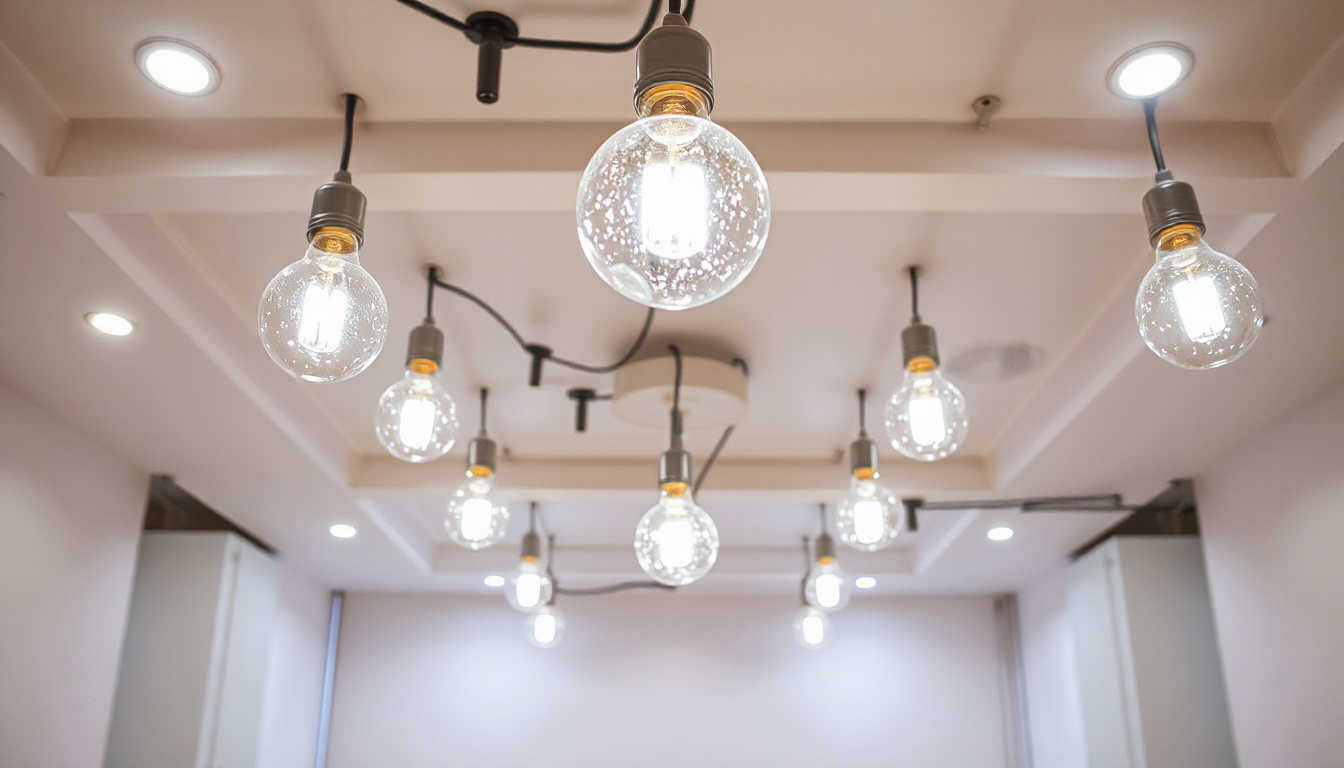
- Use telescoping dusters, some extending up to 20 feet, to reach inset, vaulted ceiling lights, or ceiling fans.
- Special ceiling fan cleaning tools help clear dust from blades and lighting nooks.
- Always use a stable step ladder, avoid standing on the top rung, and make sure the ladder is on flat, solid surfaces.
- Proceed slowly and carefully to avoid falls or accidents.
Outdoor String Lights: A Quick Cleaning Trick
Outdoor string lights can get grimy from weather exposure:
- Unplug the lights.
- Use a soft cloth or sponge with warm soapy water to wipe bulbs and wires gently.
- Avoid soaking bulbs or sockets.
- Dry completely before reconnecting.
How Often Should You Clean?
Light bulbs and fixtures tend to get overlooked, but cleaning once every 1 to 3 months ensures consistent brightness and efficiency. High-traffic rooms or dusty environments might need more frequent attention.
Conclusion
A clean light bulb and fixture not only brighten your room but also enhance the overall atmosphere, save energy, and extend bulb life. By following safe cleaning steps and using the right tools, you can achieve sparkling lights that illuminate your home beautifully. Remember, safety always comes first—when in doubt, don’t hesitate to seek professional help for complex lighting cleaning tasks.
Illuminate your space with brilliance – keep those bulbs sparkling clean!
>> Chest Freezer Reviews <<
>> Upright Freezer Reviews <<