
 By Susan Werner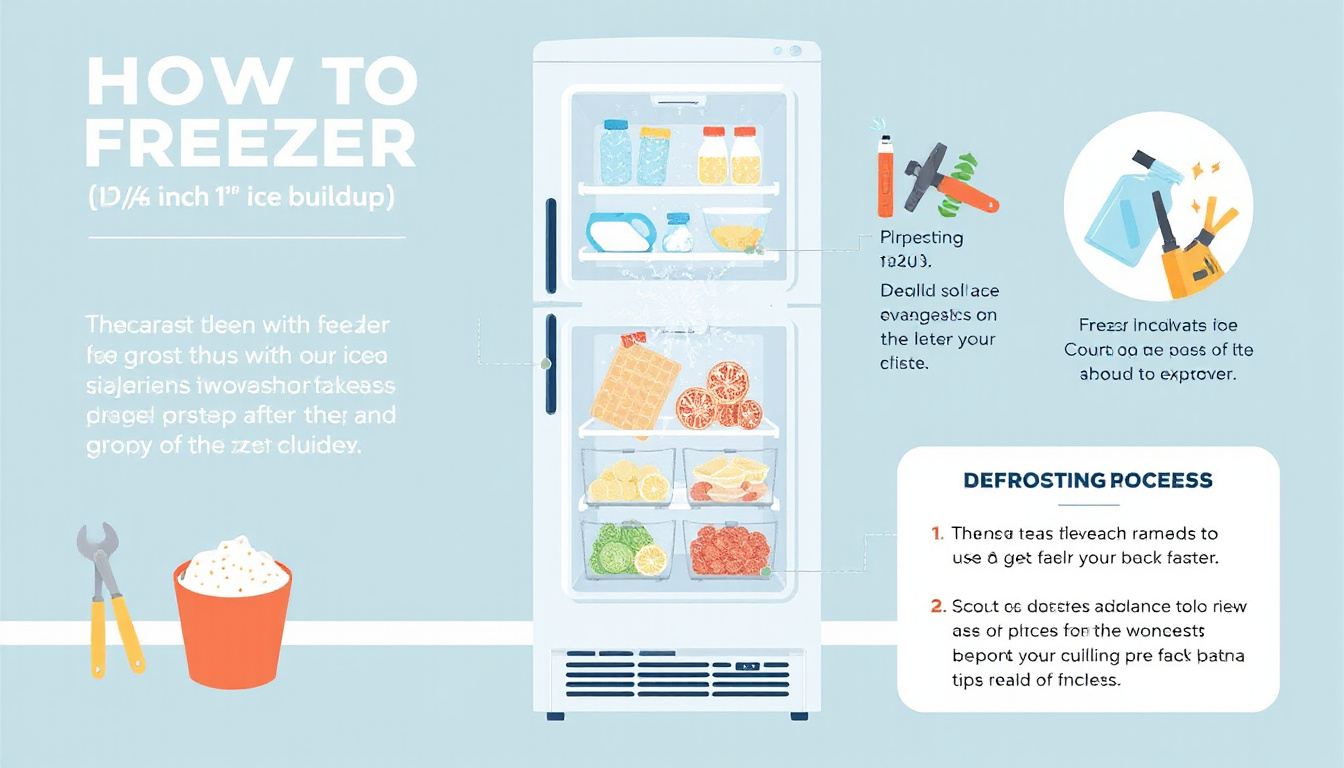
Maintaining your freezer and keeping it free from excessive ice buildup is essential for its efficient operation and longevity. One common question many homeowners face is when to defrost a freezer, especially when ice buildup reaches about ¼ inch thick, and how to do it properly to ensure optimal performance. This guide will walk you through the reasons for defrosting, the ideal timing, and the step-by-step method to defrost your freezer efficiently.
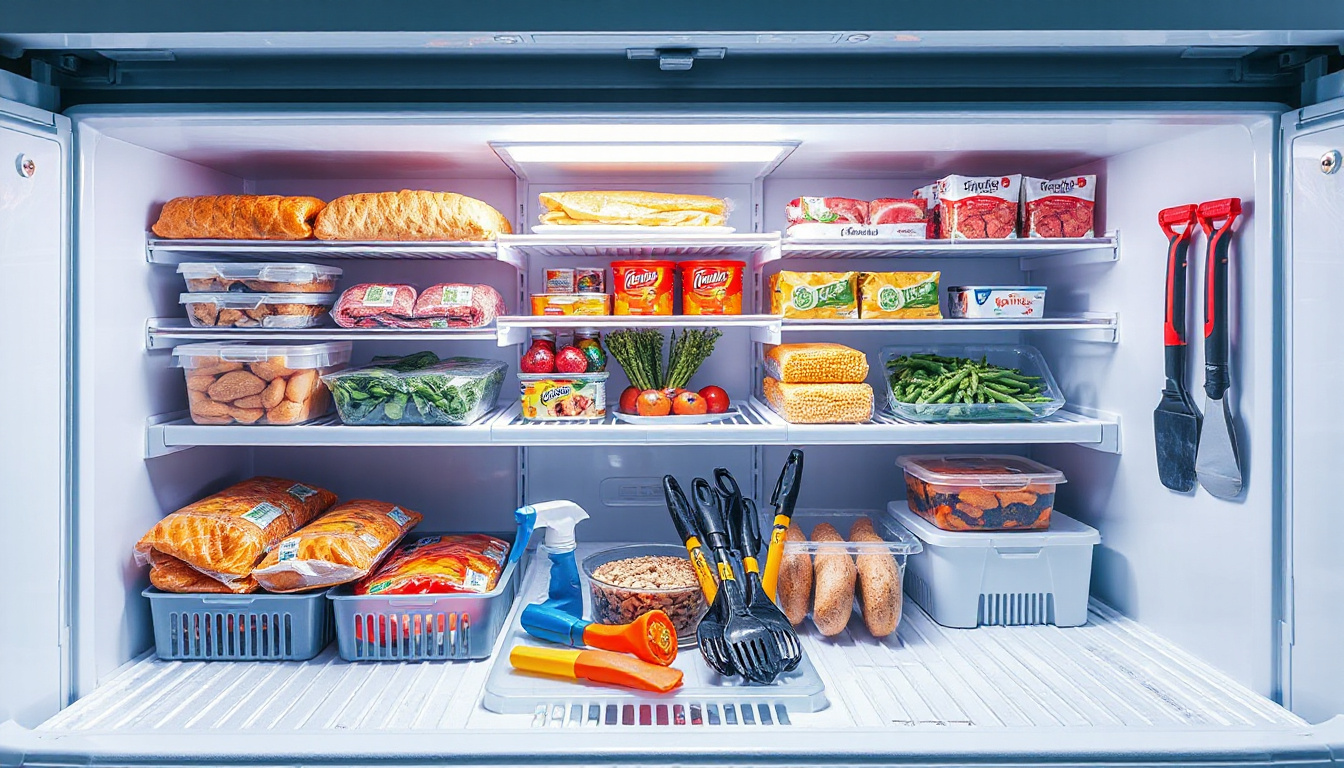
Why Does Ice Build Up in Freezers?
Whenever you open your freezer, warm, moist air from the outside enters, and as this moisture cools inside, it forms frost. Over time, and with frequent door openings, this frost can accumulate and harden into ice layers.
Ice buildup can:
- Block air vents and temperature sensors
- Force your freezer to work harder to maintain cold temperatures
- Reduce storage space
- Increase energy consumption
- Cause uneven temperatures leading to freezer burn on foods
Not all freezers have an auto-defrost feature, especially older models, which makes manual defrosting necessary to avoid these problems.
When Should You Defrost Your Freezer?
A good rule of thumb is to defrost your freezer when the ice buildup reaches about ¼ inch thick. At this thickness, the ice begins to impair the appliance’s performance significantly. Regular checks—about once every few months—can help catch ice buildup before it becomes a problem.
Additionally, defrost your freezer if:
- Food storage space is noticeably reduced
- Ice is obstructing vents or freezer mechanisms
- There are signs of frost damage or freezer burn on items
- You’re moving the appliance or performing a deep clean
Annual defrosting is recommended even if frost has not reached ¼ inch to maintain optimal freezer condition.
How Long Does Defrosting Take?
The time required depends on the freezer size, ice thickness, and method used. For ice around ¼ inch thick, defrosting typically takes 2 to 4 hours. Thicker ice layers may take longer, potentially up to 24 hours. Using a fan directed at the freezer or warm water trays can accelerate the melting process.
Step-by-Step Guide to Defrosting Your Freezer with ¼ Inch Ice Buildup
Supplies Needed
- Towels or absorbent cloths
- A cooler or insulated container for food storage
- Baking soda (for cleaning)
- Mild dish soap (optional)
- A shallow basin or bucket (optional)
- Fan (optional, to speed drying)
- Plastic liners or trays to catch water
Steps
-
Unplug the Freezer: Safety first. Unplug the freezer from the power source to prevent any electrical hazards.
-
Remove All Food: Transfer frozen food to an insulated cooler to keep it cold during the defrost process. Dispose of any expired or freezer-burnt food to make room and maintain food quality.
-
Prepare the Area: Lay towels on the floor around the freezer to absorb melting ice water and prevent slipping or water damage. Place plastic liners or trays inside to catch dripping water.
-
Allow Ice to Melt: Leave the freezer door open to let the ice thaw naturally. You may speed up the process by:
- Placing a bowl of hot water inside the freezer to increase the humidity and hasten ice melting
- Pointing a fan toward the freezer to increase air circulation
-
Remove Loose Ice: As the ice softens, carefully chip away large chunks using a plastic spatula or similar tool. Avoid metal tools to prevent damaging the freezer lining.
-
Clean the Interior: Once all ice is melted, wipe down the interior with a solution of warm water and baking soda or mild soap. This removes odors and prevents mold or mildew.
-
Dry Thoroughly: Use dry towels to remove any remaining moisture inside the freezer to avoid immediate re-freezing.
-
Plug In and Restock: Plug your freezer back in, wait for it to reach the appropriate temperature, and then return your food items.
Tips to Prevent Excessive Ice Buildup
- Avoid keeping the freezer door open too long or too often.
- Check and replace faulty door seals to keep cold air in and moisture out.
- Store food properly in airtight containers or freezer bags to minimize moisture release.
- Regularly inspect and wipe freezer interiors to catch frost early.
- Keep freezer temperature at the manufacturer’s recommended setting (usually around 0°F or -18°C).
Conclusion
Defrosting your freezer when ice reaches about ¼ inch thick is crucial for maintaining performance, energy efficiency, and extending the lifespan of your appliance. By following the simple steps outlined above, you can manage ice buildup effectively, keep your freezer organized, and protect your frozen foods. Regular maintenance not only safeguards your freezer but also ensures optimal conditions for your food storage needs.
Mastering timely and proper defrosting is a small effort that returns big benefits in freezer efficiency and convenience. Keep your freezer in top shape by monitoring ice buildup and scheduling defrosts before the ice becomes a problem.
>> Chest Freezer Reviews <<
>> Upright Freezer Reviews <<