
 By Susan Werner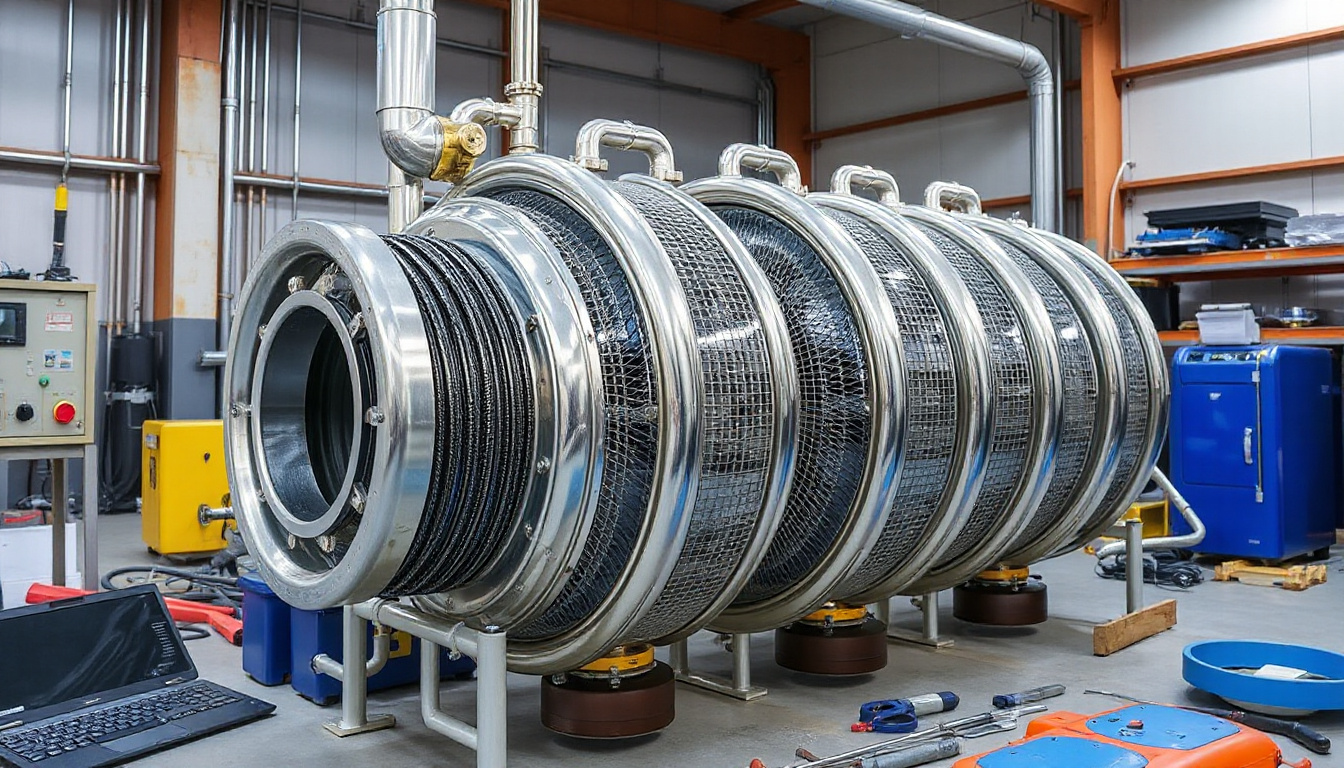
Vacuum condenser coils are vital components in refrigeration and HVAC systems, playing a crucial role in heat exchange and maintaining the optimal temperature of appliances like refrigerators and freezers. Over time, these coils can accumulate dust, dirt, and debris, which impair their function and reduce efficiency. Proper maintenance and cleaning of vacuum condenser coils are essential to maximize system performance, prolong appliance lifespan, and prevent costly repairs. This article provides comprehensive guidance on how to effectively maintain your vacuum condenser coils for peak efficiency.
Understanding Vacuum Condenser Coils
Vacuum condenser coils are designed to dissipate heat from the refrigerant in refrigeration systems. They operate under a vacuum to enhance heat transfer efficiency and reduce pressure drops within the system. When these coils are clean, they facilitate smooth heat exchange, maintaining consistent cooling performance. However, dust, pet hair, and other environmental pollutants accumulating on the coils hinder airflow and trap heat, causing the system to work harder, consume more energy, and potentially overheat.
Why Maintaining Vacuum Condenser Coils Matters
- Improved Cooling Efficiency: Dirty condenser coils restrict heat transfer, which forces the compressor to run longer or more frequently to maintain desired temperatures.
- Energy Savings: Clean coils reduce the workload on your refrigeration unit, translating into lower energy consumption and reduced utility bills.
- Extended Equipment Lifespan: Overworked compressors wear out faster. Regular coil maintenance helps avoid premature failures and costly replacements.
- Prevention of Error Codes and Malfunctions: Some refrigerators, such as Sub-Zero models, alert users with service or vacuum condenser warnings when coils require cleaning, signaling declining operational efficiency.
How Often Should You Clean Your Vacuum Condenser Coils?
Experts recommend cleaning vacuum condenser coils every six to twelve months. If you have pets or live in a dusty environment, more frequent cleaning (every 3 to 6 months) may be necessary to prevent excessive buildup.
Essential Tools and Materials
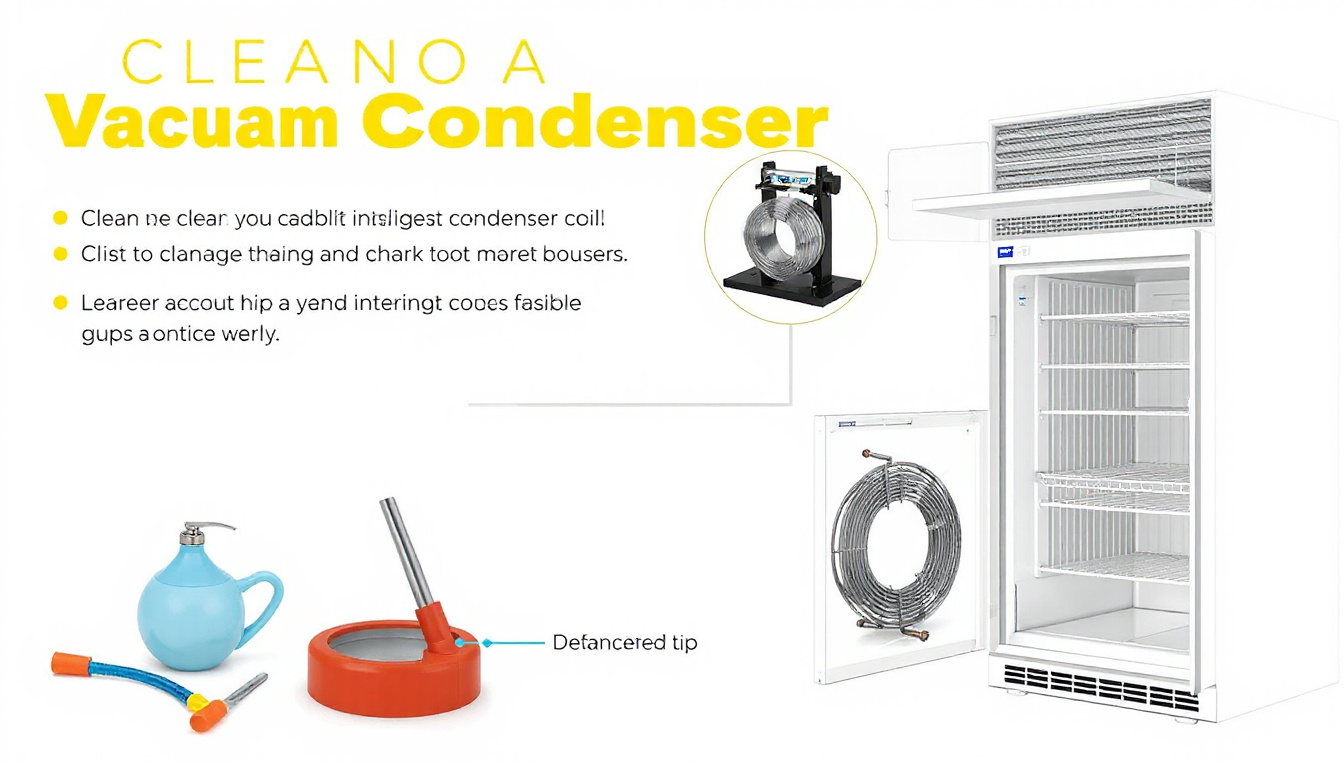
- Vacuum cleaner with narrow nozzle attachments or flexible vacuum hose
- Soft brush (non-metallic)
- Compressed air (optional, for stubborn dust)
- Protective gloves (optional)
Avoid using chemical cleaners unless specified by your appliance manufacturer, as some chemicals may damage delicate coil fins.
Step-by-Step Guide to Cleaning Vacuum Condenser Coils
1. Power Down the Appliance
Ensure safety by turning off and unplugging the refrigerator or system before starting the cleaning process. Some models, like Sub-Zero refrigerators, allow power-off through control panel buttons.
2. Access the Condenser Coils
Locate the condenser coils, typically found behind or beneath the refrigerator or in designated access panels. Refer to your appliance’s manual if unsure. Some units have easily removable grills or panels for access.
3. Remove Loose Dust
Using a vacuum cleaner fitted with a narrow nozzle or brush attachment, gently vacuum the coils to remove accumulated dust. For hard-to-reach areas, a flexible vacuum hose extension can help navigate tight spaces.
4. Loosen Stubborn Dirt
Use a soft brush to carefully dislodge any dirt stuck between the coil fins. Avoid bending or damaging the aluminum fins, as this can reduce coil efficiency.
5. Optional Compressed Air Cleaning
For persistent grime, blowing compressed air through the coils can aid removal. However, this should be done cautiously to avoid damaging delicate parts.
6. Reassemble and Restart
Once cleaned, reattach any panels or covers and restore power to the appliance. On some models, you may need to reset system alerts or alarms related to condenser status by following specific instructions (e.g., holding the alarm button for 15 seconds on Sub-Zero refrigerators).
Tips for Maintaining Optimal Coil Performance
- Keep the Area Around the Appliance Clean: Minimize dust sources by regularly sweeping or vacuuming the surrounding floor space.
- Minimize Pet Hair Accumulation: Frequent cleaning is essential in homes with shedding pets.
- Avoid Blocking Airflow: Ensure adequate clearance around vents and access panels to promote efficient heat dissipation.
- Regular Inspections: Perform routine visual checks for dust buildup or coil damage.
When to Seek Professional Service
If after cleaning, your appliance displays persistent "vacuum condenser" or "service" warnings, runs constantly without cooling properly, or fails to return to set temperatures within 24 hours, it’s advisable to contact factory-certified service providers to diagnose and repair potential issues.
Maintaining your vacuum condenser coils is a straightforward yet essential task that preserves the efficiency, reliability, and longevity of your refrigeration system. By adhering to a regular cleaning schedule and following proper procedures, you can enjoy consistent cooling performance, save on energy costs, and avoid unexpected breakdowns. Whether you choose to perform the maintenance yourself or hire professionals, understanding the importance of vacuum condenser coil care will help you maximize the value and durability of your appliance.
>> Chest Freezer Reviews <<
>> Upright Freezer Reviews <<