
 By Susan Werner
Frost accumulation can be a common concern in various settings—from household freezers to outdoor environments susceptible to sudden temperature drops. Monitoring frost effectively is important for maintaining appliance efficiency, protecting sensitive crops, and ensuring safety in daily activities. This comprehensive guide explores how to check for frost accumulation, understand its causes, and take measures to manage and monitor frost both in freezers and outdoors.
Understanding Frost Accumulation in Freezers
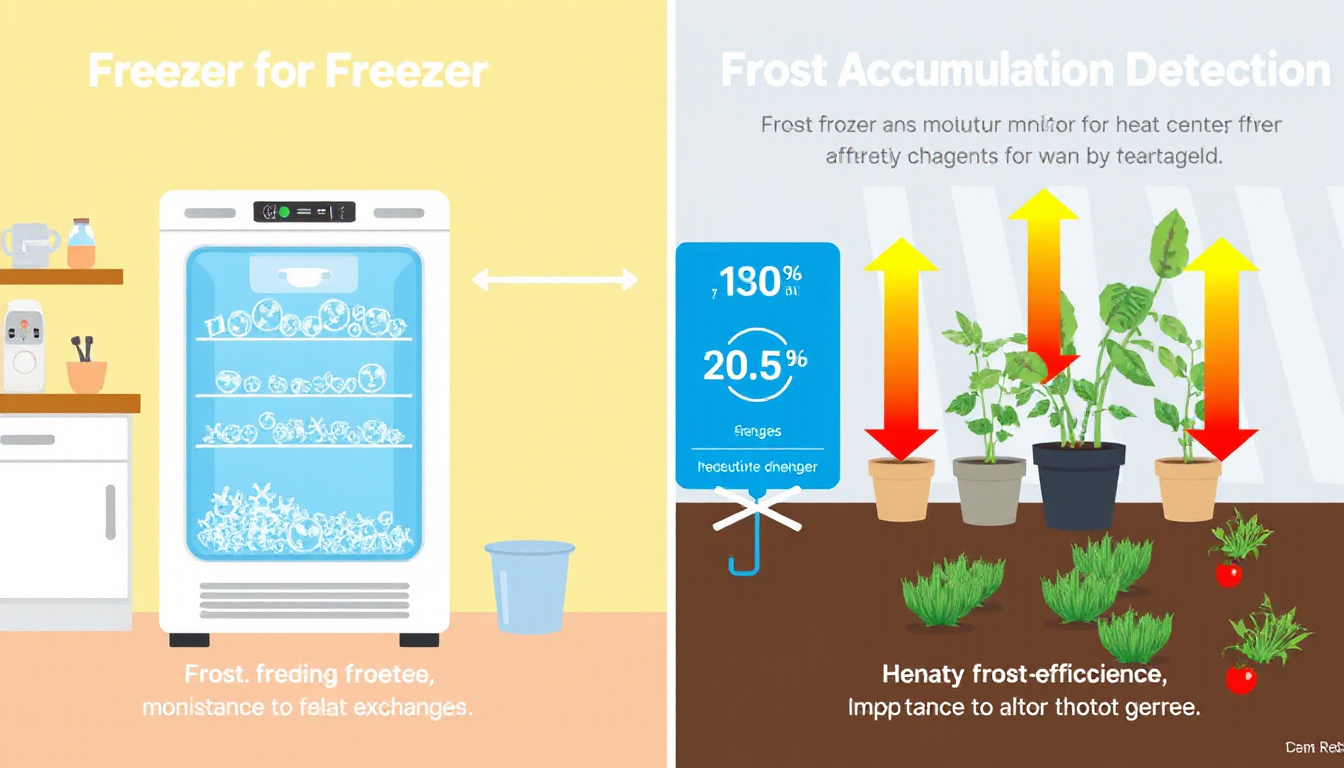
Frost formation inside freezers is a familiar issue for many households. It manifests as ice crystals or frost buildup on food packages, freezer walls, or evaporator coils. Here’s why this happens and how to check for frost accumulation effectively:
Causes of Frost Inside Freezer Compartments
- Moisture from Food: When food freezes, moisture from within it migrates to its surface where it freezes, forming frost on packaging inside the freezer.
- Warm Air Entry: Opening the freezer door allows warm, moist air to enter. When this humid air contacts the cold surfaces inside, condensation occurs and freezes, leading to frost buildup.
- Improper Door Sealing: Frost often accumulates around freezer doors if they don’t seal properly due to obstructions like misplaced shelves or packaging.
- Placing Warm or Uncovered Food: Introducing warm or uncovered food items causes moisture addition, accelerating frost formation.
How to Check for Frost Buildup in Freezers
- Visually inspect the freezer for ice crystals on package surfaces or walls.
- Check the door seals to ensure no gaps or obstructions prevent proper closure.
- Examine shelves and door bins to confirm they are correctly positioned and not interfering with door closure.
- Feel for excessive frost accumulation around evaporator coils or freezer compartments.
Troubleshooting and Managing Freezer Frost
If you notice heavy frost or ice buildup that affects freezer performance, the following steps can help you address and monitor frost accumulation:
Manual Defrosting Process
- Unplug the Refrigerator: Safety first—disconnect power before any maintenance.
- Remove Food Items: Transfer perishable goods to a cooler temporarily.
- Defrost Ice: Leave freezer doors open to thaw naturally or speed the process by wiping frost with warm cloths or using a hairdryer on low heat. Do not chip ice forcefully to avoid damaging coils.
- Clear Drain Lines: Blocked defrost drain lines trap water, which freezes and worsens frost buildup. Use warm water or compressed air to clear blockages at the drain hole located below evaporator coils.
- Clean Door Gaskets: Moisture can enter through damaged or dirty door seals. Clean with warm, soapy water and check for seal integrity; replace if necessary.
- Verify Defrost System Functionality: Modern refrigerators have a defrost timer, heating element, and thermostat controlling frost removal. You can manually initiate defrost cycles to test components or consult a technician if frost persists.
Regular Monitoring Tips
- Keep freezer doors fully closed and avoid leaving them open for extended periods.
- Organize freezer contents to avoid blocking door seals.
- Regularly inspect freezer for early signs of frost buildup and address promptly.
- Maintain appliance settings at manufacturer recommendations to optimize defrost cycles.
Outdoor Frost Monitoring and Environmental Considerations
Beyond freezers, frost accumulation outdoors affects agriculture, gardening, and safety during cold weather. Monitoring outdoor frost involves understanding local climate patterns and weather forecasts to anticipate frost events.
How to Check for Frost Accumulation Outdoors
- Visual Inspection: Early in the morning, check exposed surfaces—plants, vehicles, and ground—for frost crystals.
- Use Temperature Sensors: Place thermometer sensors at crop level or vulnerable spots to detect near-freezing temperatures.
- Consult Weather Resources: Use national meteorological services that provide frost and freeze advisories, frost advisories, and temperature forecasts highlighting likely frost dates.
Understanding Climatological Frost Data
- Local climatology offers average dates of first and last frost or freeze in spring and fall.
- Variability in frost timing depends on factors such as cloud cover, wind, soil moisture, and urban versus rural location.
- These data help in planning planting schedules, protecting sensitive crops, and preparedness for frost prevention.
Integrating Frost Monitoring Into Your Routine
Whether managing frost in your freezer or preparing for outdoor frost events, a proactive strategy is key:
- In Appliances: Schedule periodic defrosting and maintenance. Use appliance manuals or online resources for your refrigerator model to understand defrost system controls.
- In Gardens and Fields: Use frost blankets, covers, or heaters and plan planting according to frost-free periods indicated by climate data.
- Stay Informed: Follow local weather services for timely frost or freeze warnings.
Conclusion
Effective frost monitoring encompasses routine visual checks, understanding the sources of moisture and heat exchange, using technological aids like sensors, and leveraging meteorological data. By mastering frost accumulation detection and management, you enhance the longevity and efficiency of refrigeration appliances and protect temperature-sensitive outdoor assets.
Being vigilant and informed allows you to mitigate the effects of frost and maintain optimal conditions whether in your kitchen freezer or garden landscape.
>> Chest Freezer Reviews <<
>> Upright Freezer Reviews <<