
 By Susan Werner
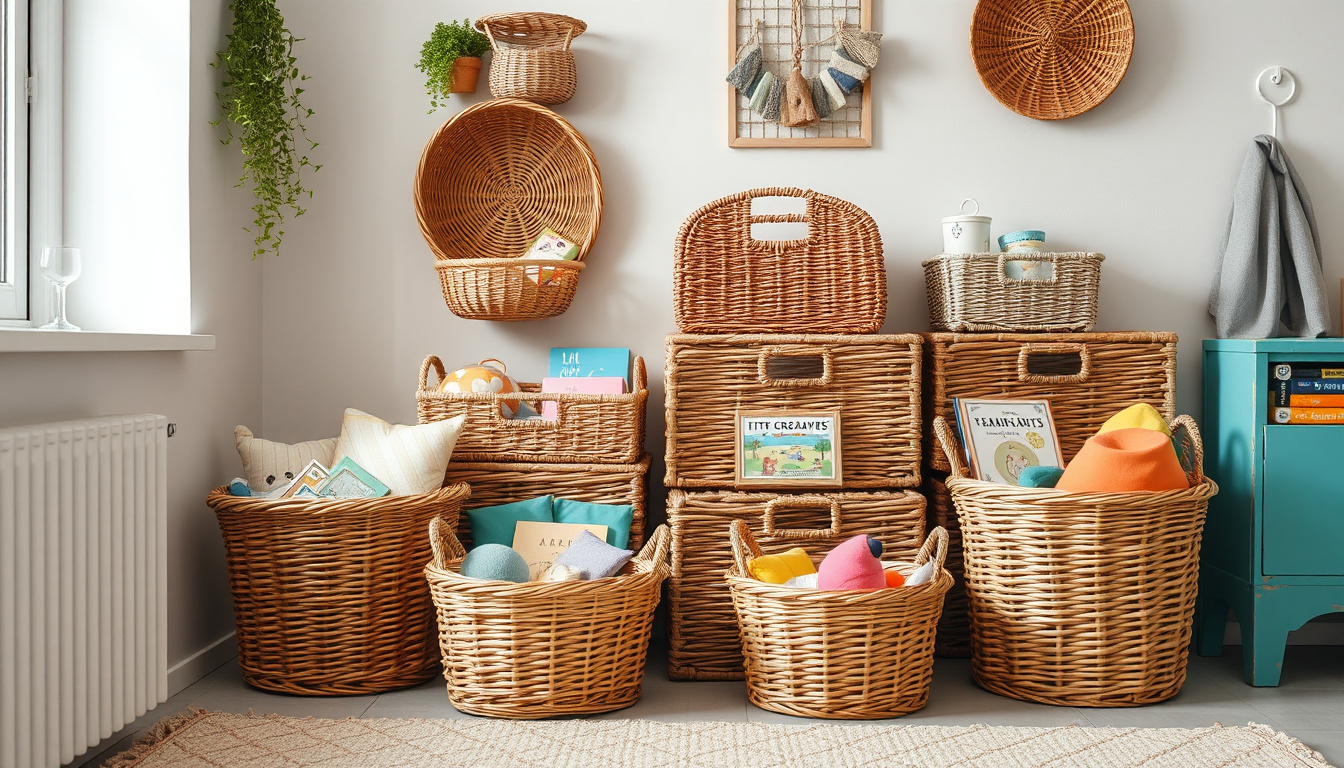
Baskets can make a freezer easier to use by grouping small packages and keeping frequently used food from disappearing beneath larger items. The best basket setup depends on the freezer’s interior dimensions and airflow requirements, not on decorative style.
Measure Before Buying Baskets
Measure usable width, depth, and height inside the freezer. Account for hinges, ledges, shelves, drain plugs, lights, and any areas the manual says must remain clear. A basket advertised for a certain freezer capacity is not guaranteed to fit every model.
Use Baskets for Categories
Assign baskets to categories such as vegetables, meat portions, frozen meals, bread, or small packages. This makes it possible to lift out one group instead of digging through the whole freezer. Our category organization guide has more examples.
Keep Frequently Used Food Near the Top
Chest-freezer baskets are especially useful for food you reach for often. Larger or less frequently used packages can sit below, provided the layout does not interfere with the freezer’s required airflow.
Do Not Block Vents
In freezers with internal air vents, baskets and packages must not cover them. Follow the appliance manual and see our freezer vent guide.
Choose Freezer-Suitable Materials
Use baskets or bins intended for cold storage and capable of handling the weight you plan to put in them. Open designs can make contents visible and may reduce the chance of creating a solid barrier to airflow, but the freezer’s own instructions take priority.
Label the Baskets
Simple category labels make it easier for everyone in the household to return food to the same place. Combine them with a freezer inventory list if you store a lot of food.
Bottom Line
The best freezer baskets fit the actual interior, keep food grouped, remain easy to lift, and do not interfere with vents or door closure.