
 By Susan Werner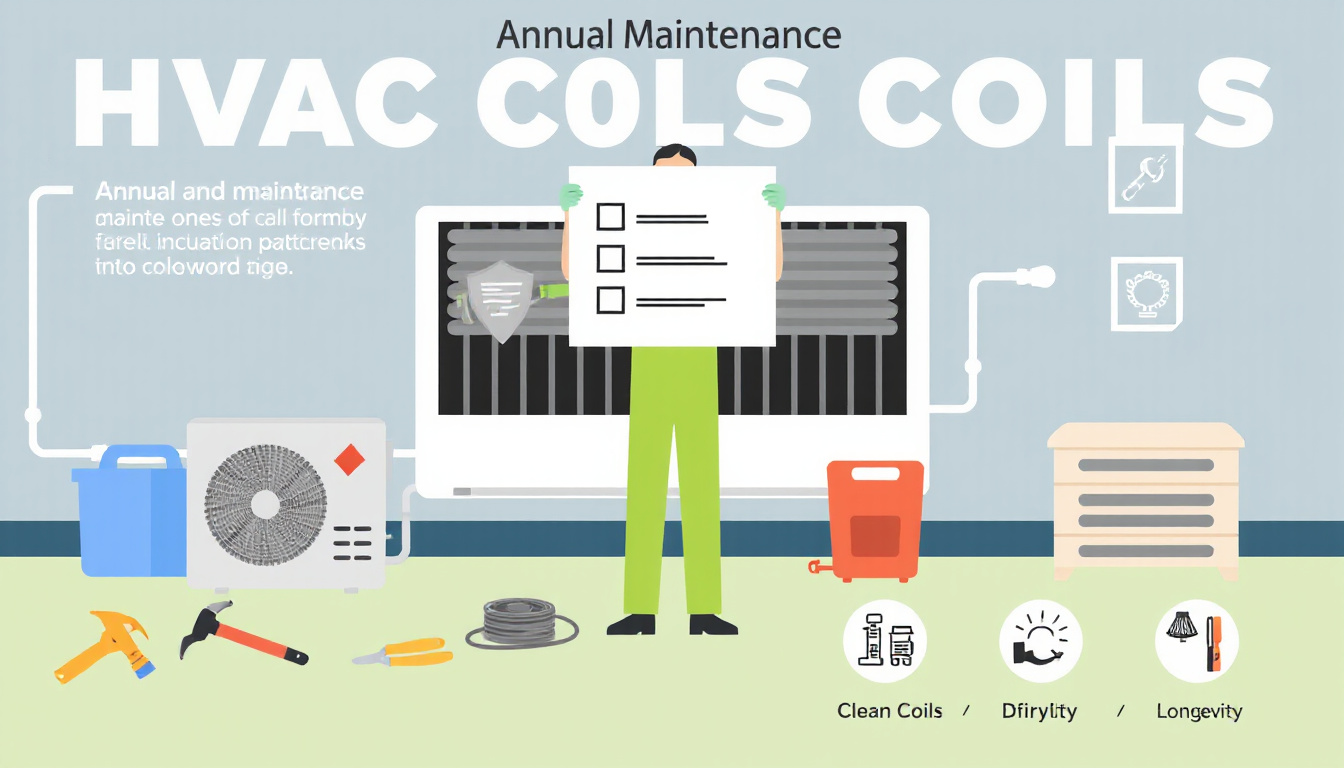
Maintaining a comfortable indoor environment year-round largely depends on the health of your HVAC system. A frequently overlooked yet critical component is your air conditioner’s coils. Cleaning coils annually isn’t just a routine task—it’s a vital practice that significantly impacts the efficiency, performance, and lifespan of your cooling system. This guide will help you understand why coil cleaning matters, how often you should do it, and how to do it properly for maximum benefits.
What Are AC Coils and Why Are They Important?
Your air conditioner includes two main types of coils:
- Evaporator Coils (Indoor): These absorb heat from inside your home, cooling the air.
- Condenser Coils (Outdoor): These release heat absorbed indoors to the outside environment.
These coils enable the heat exchange process necessary for effective cooling. When clean, they allow your HVAC system to operate efficiently by transferring heat smoothly. However, when coils accumulate dirt, dust, and debris, this heat exchange is hindered, making your system work harder to cool your home.
Why Clean Coils Annually?
1. Maintain Cooling Efficiency
Dirty coils reduce heat transfer capability, leading to poor cooling performance. Your rooms will take longer to cool, and your system may struggle to maintain the set temperature.
2. Lower Energy Consumption
Studies reveal that dirty coils can cause your system to use up to 20% more energy. This translates into higher electricity bills that could be easily avoided by regular coil cleaning.
3. Extend Equipment Life
The compressor works harder when coils are dirty, increasing wear and risk of breakdowns. Regular cleaning reduces this strain, preventing costly repairs or premature replacement.
4. Improve Indoor Air Quality
Coils can harbor mold, mildew, and allergens when dirty, negatively affecting the air you breathe. Cleaning coils helps maintain a healthier indoor environment, especially for allergy sufferers.
5. Prevent System Failures
Neglecting coil maintenance can lead to issues like ice formation on the evaporator coil, humidity problems, and eventual system breakdowns.
How Often Should You Clean Your AC Coils?
- At least once a year for most homeowners as a baseline.
- Twice a year if you live in coastal, dusty, or humid climates where outdoor debris accumulates more rapidly.
- Quarterly inspections if you have pets, smoke indoors, or use the AC heavily during summer.
Outdoor condenser coils require more frequent cleaning because they are exposed directly to dirt, dust, pollen, and environmental elements. Indoor evaporator coils also need annual cleaning to avoid internal buildup.
How to Clean AC Coils Properly: Step-by-Step
Cleaning your AC coils helps optimize your system’s performance and save money on energy and repairs. While professionals offer deep cleaning for tricky areas, homeowners can tackle light maintenance with the right approach.
Tools and Materials Needed
- AC coil cleaner (foaming or non-foaming)
- Soft brush
- Garden hose with a spray nozzle
- Safety goggles and gloves
- Screwdriver or nut driver
- Fin comb (optional—for straightening bent coil fins)
- Vacuum cleaner with a soft brush attachment (optional)
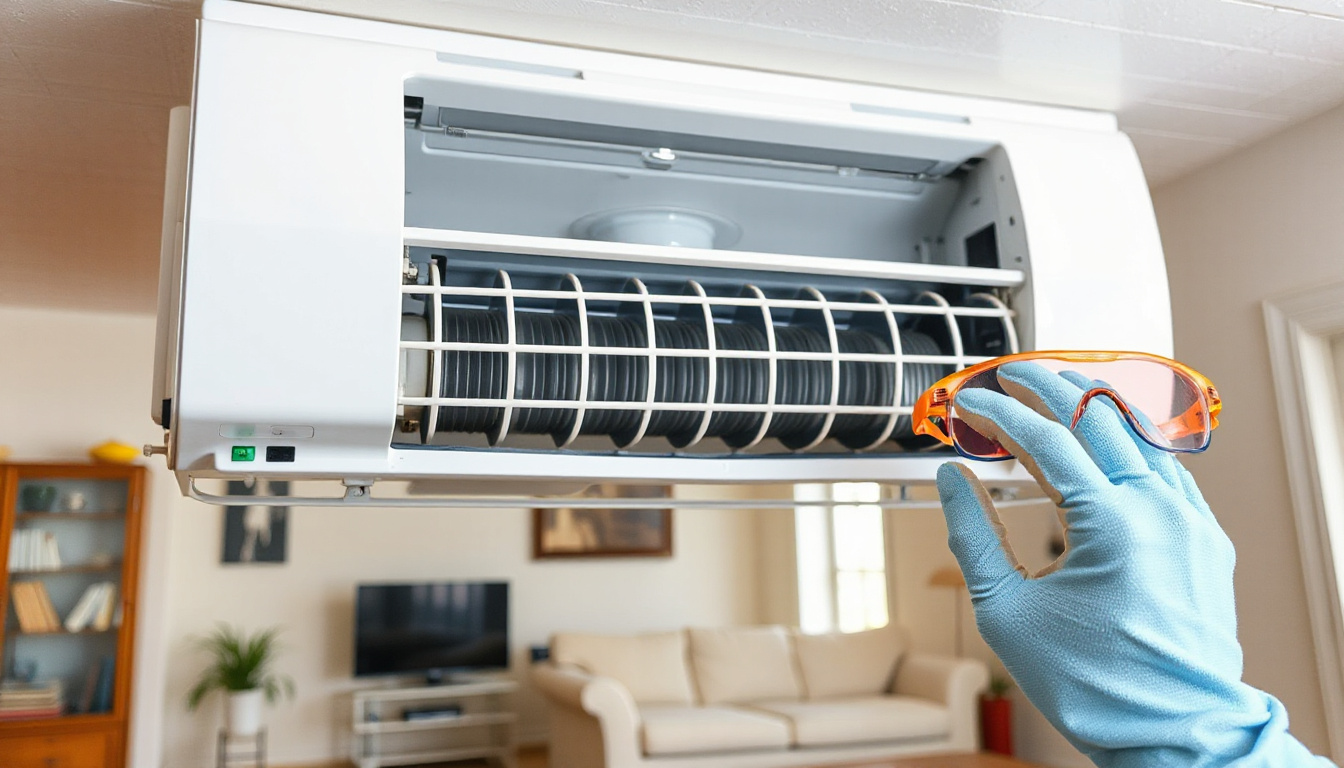
Cleaning Steps
-
Turn Off Power
Switch off your air conditioner at the thermostat and circuit breaker to ensure safety. -
Remove Outer Cover
Use a screwdriver or nut driver to carefully remove the outdoor unit’s grille or cover. -
Inspect Coils
Look for dirt, debris, and bent fins (use a fin comb to straighten fins if necessary). -
Apply Coil Cleaner
- For foam cleaners: Spray generously and let foam dwell for the time recommended on the label, allowing it to penetrate dirt.
- For non-foaming cleaners: Spray and gently scrub with a soft brush.
-
Rinse Thoroughly
Use your garden hose to rinse from the inside out to avoid pushing dirt further into the coils. -
Inspect and Reassemble
Check if cleaning is sufficient. Reattach the cover securely. -
Restore Power and Test
Turn power back on and run the AC to ensure better airflow and cooling.
Foaming vs. Non-Foaming Cleaners: What to Choose?
-
Foaming Cleaners
- Pros: Stick to vertical surfaces, provide extended contact time, effective on heavy buildup.
- Cons: May leave residue requiring extra rinsing, less convenient in tight spaces.
-
Non-Foaming Cleaners
- Pros: Quick rinse-off, gentle on coils, easier to control application.
- Cons: Shorter dwell time, may require more scrubbing for tough dirt.
When To Call a Professional
While light cleaning can be a DIY project, some situations warrant professional help:
- Heavy dirt or grease buildup
- Indoor evaporator coil cleaning (delicate and hard to access)
- If you notice persistent performance issues, strange odors, or water leakage
- For thorough inspections of refrigerant levels and other system components
Professionals use specialized equipment, strong but safe cleaners, and know-how to avoid damaging sensitive parts, ensuring your system is in top shape.
Preventive Tips for Homeowners
- Replace or clean air filters every 1–2 months.
- Keep the outdoor unit free from vegetation, leaves, and debris.
- Conduct visual inspections of coils each spring and fall.
- Schedule professional coil cleaning at least once a year or more frequently if necessary.
Final Thoughts
Annual AC coil cleaning is a simple yet powerful way to prolong your system’s life, cut energy costs, and maintain a comfortable, healthy home environment. Don’t wait until your AC struggles or your bills surge—regular maintenance safeguards your investment and keeps your cooling system running efficiently.
Remember, clean coils mean a happier HVAC system, lower energy bills, and peace of mind during the hottest days of the year.
Frequently Asked Questions
How often should AC coils be cleaned?
At minimum once a year, but twice annually in harsher environments or heavy-use situations.
Can I clean AC coils myself?
Yes, for light cleaning, but professional cleaning is recommended for indoor coils and heavy buildup.
What if I don’t clean my coils?
Your system will lose efficiency, consume more energy, incur greater wear, and eventually suffer costly breakdowns.
Does cleaning coils improve air quality?
Yes, it helps prevent mold and allergen buildup inside the system, improving indoor air quality.
Are there safety precautions?
Always disconnect power, wear gloves and eye protection, and avoid damaging the delicate fins.
Maintaining your air conditioner’s coils may not be the most glamorous task, but it is undoubtedly a cornerstone in keeping your HVAC system running smoothly and efficiently for years to come. Commit to clean coils annually, and your home will thank you with consistent comfort and controlled energy costs.
>> Chest Freezer Reviews <<
>> Upright Freezer Reviews <<