
 By Susan Werner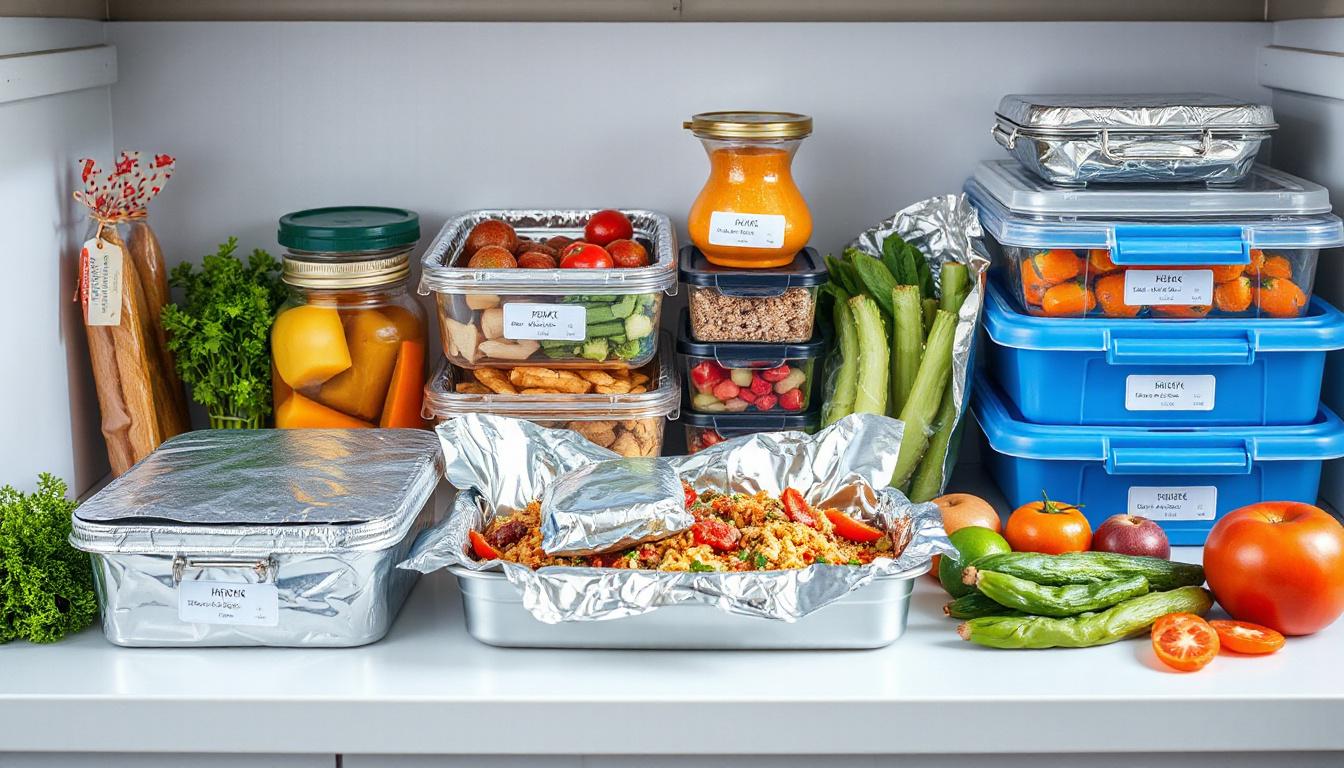
Freezing meals and leftovers is a convenient way to save time, reduce food waste, and have ready-to-eat dishes on hand. However, the key to successful freezing lies not only in what you freeze but how you package it. One of the materials frequently considered for freezing is aluminum foil. This guide explores how to use freezer-friendly foil effectively to maximize food freshness, prevent freezer burn, and streamline your meal prep and storage.
Why Proper Packaging Is Essential for Freezing
When food is frozen, moisture within it can escape or evaporate, causing dryness and freezer burn—an effect that deteriorates texture and flavor. Proper packaging creates a barrier that protects food from moisture loss, contamination, and the absorption of off-odors or flavors from other items in the freezer.
Key Characteristics of Good Freezer Packaging Materials
- Moisture-vapor resistant: Prevents water loss and ice crystal formation.
- Durable and leakproof: Ensures no contamination or leaks occur.
- Flexible but strong: Avoids tearing or puncturing during freezing.
- Neutral to food odors and taste: Does not impart unwanted flavors.
- Easy to seal and label: For efficient storage and identification.
Can You Use Aluminum Foil for Freezing?
The short answer is yes—but with important caveats. Heavy-duty aluminum foil is suitable for freezing food, but typical thin, household-grade foil is not.
Why Heavy-Duty Foil?
- Strength and Durability: Thick, heavy-duty foil is less prone to tears and punctures.
- Superior Barrier: Aluminum foil acts as a good barrier against moisture, light, and air, helping lock in freshness.
- Temperature Resistance: Foil handles freezing temperatures well without cracking or breaking.
Caveats and Best Practices
- Use an Overwrap: Because foil—even heavy-duty—can be punctured, it’s advisable to wrap the food first in freezer-safe plastic wrap or place it inside a freezer bag before applying the foil for added protection.
- Avoid Thin Foil: Regular household foil is too fragile and will not sufficiently protect food in the freezer.
- Seal Tightly: Ensure the foil is wrapped tightly without gaps to minimize air exposure.
- Label Clearly: Write the contents and date directly on the foil using a permanent marker to keep track of stored food.
How to Use Freezer-Friendly Foil in Meal Prep and Storage
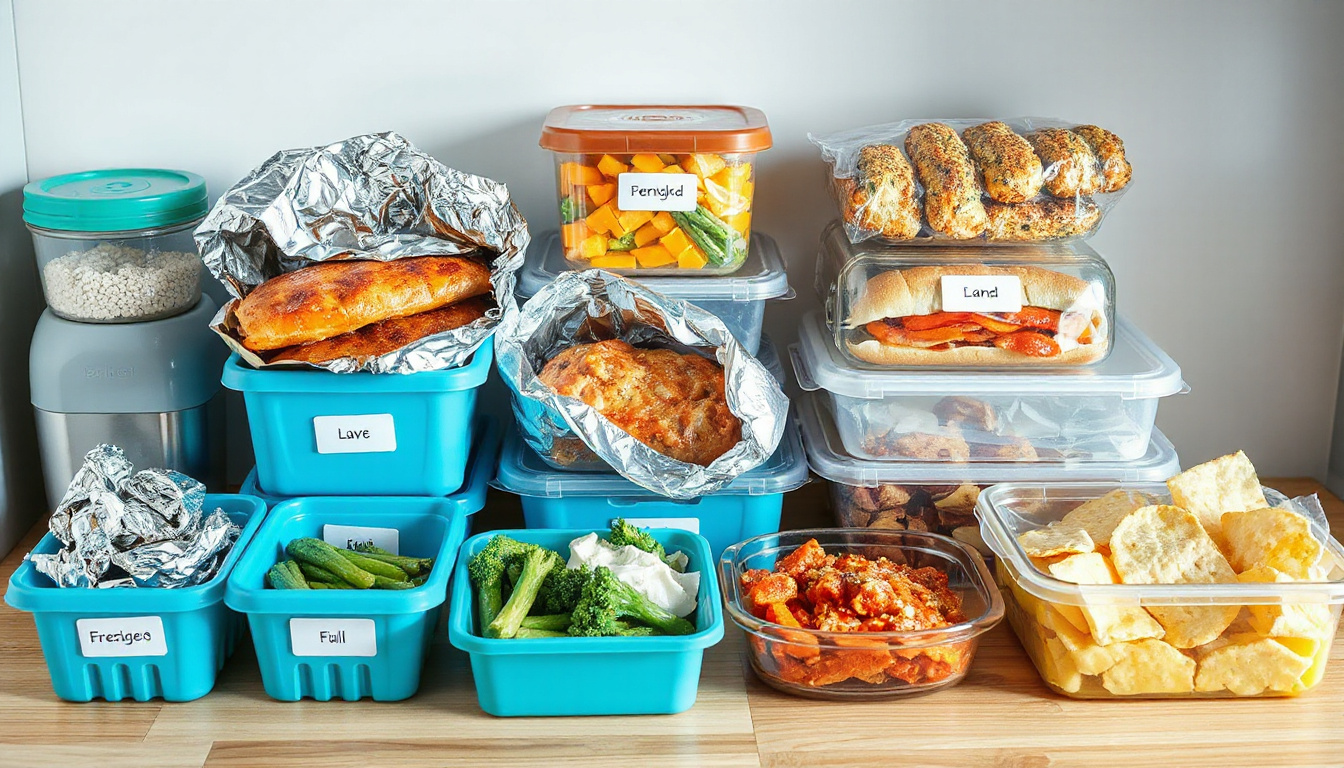
- Wrap Foods Individually: Wrap individual portions of meat, vegetables, or prepared meals tightly in plastic wrap or freezer paper before covering with heavy-duty foil. This double-layer approach enhances moisture retention.
- Cover Foil-Wrapped Foods in Freezer Bags: For extra security, insert wrapped items into labeled freezer bags and press out as much air as possible before sealing.
- Use Foil Pans for Large Meals: When freezing dishes like casseroles or lasagna, heavy-duty aluminum foil pans with tight-fitting lids are convenient. Line them with plastic wrap before placing food in the pan and cover again with foil to prevent freezer burn.
- Avoid Wrapping Moist Foods Directly in Foil: Foods with high moisture content (soups, stews) should be frozen in rigid, leakproof containers or freezer bags, as foil isn’t leakproof.
Additional Tips to Maximize Freezer Storage with Foil
- Freeze Quickly: Place wrapped foods flat in the freezer for quick freezing, which helps reduce ice crystal formation.
- Leave Headspace: If freezing liquids or items prone to expansion, allow room for expansion by not packing foil-wrapped foods too tightly.
- Maintain Proper Freezer Temperature: Keep your freezer at 0°F (-18°C) or below to ensure food quality and safety.
- Avoid Long-term Storage: Even with proper wrapping, aim to use frozen foods within recommended times (usually 3-6 months) for best flavor and texture.
What to Avoid
- Wax Paper and Bread Wrappers: These materials are not moisture-vapor resistant and unsuitable for freezing.
- Non-Freezer Zip Bags: Only use zipper bags labeled for freezer use as others may allow moisture to escape.
- Regular Glass Jars: Use only tempered, freezer-safe wide-mouth jars for freezing liquids; otherwise, glass can crack.
Conclusion
Heavy-duty freezer-friendly aluminum foil, when used properly, is a valuable tool in your freezer storage arsenal. Its moisture barrier properties combined with durability make it effective for wrapping many types of foods, especially when layered with plastic wrap or freezer bags. By carefully choosing the right foil type and following best practices, you can extend food freshness, prevent freezer burn, simplify meal prep, and enjoy your frozen meals at their best.
Remember, thoughtful packaging is the cornerstone of both convenience and quality in freezer storage—make freezer-friendly foil a part of your meal prep strategy and maximize your freezer’s potential!
>> Chest Freezer Reviews <<
>> Upright Freezer Reviews <<