
 By Susan Werner
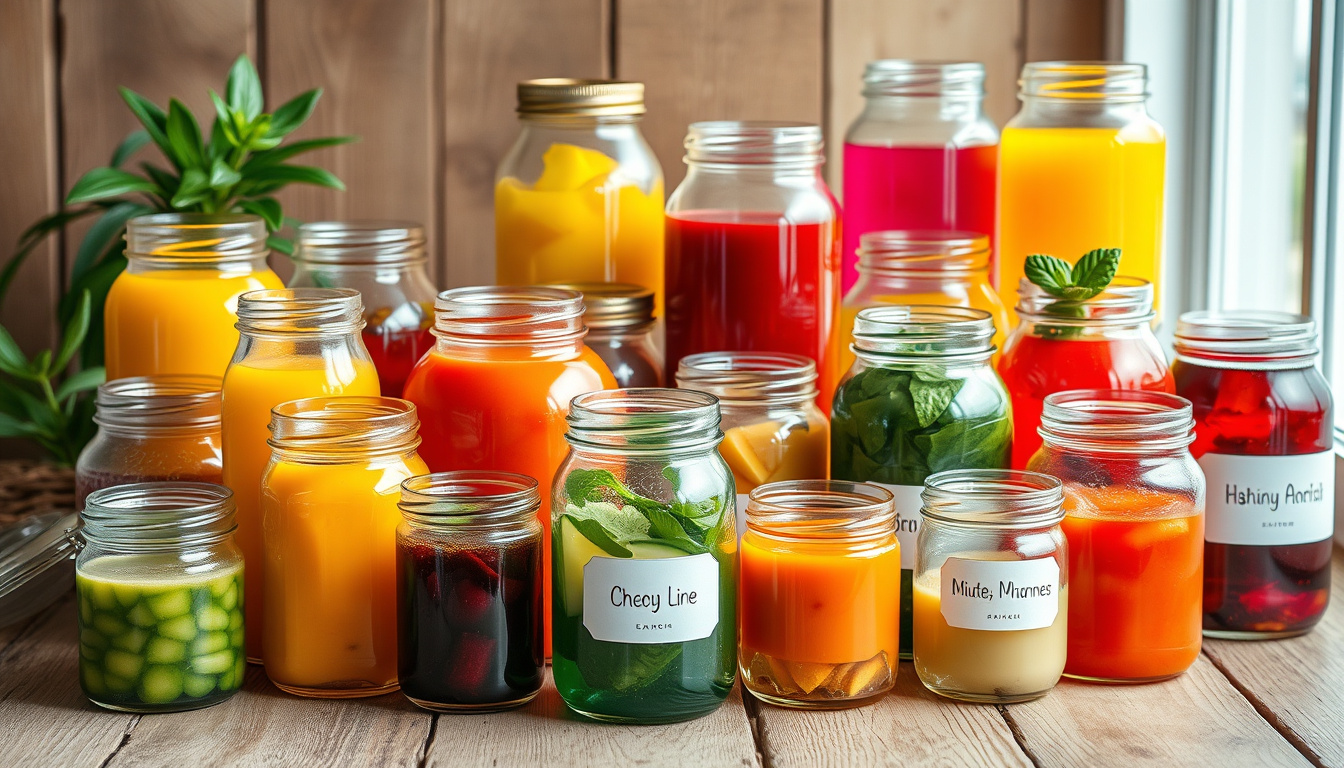
Glass can be useful for freezer storage, but not every jar is designed to handle freezing. The safest approach is to use containers specifically identified by their manufacturer as freezer-safe and follow the container’s fill and temperature instructions.
For a broader comparison, see our guide to freezing food in glass containers and freezer-safe container guide.

Related product: These 4-ounce jars are advertised as freezer-safe for small portions. Glass still requires suitable headspace and careful temperature changes; follow the manufacturer’s instructions and do not assume all mason jars are freezer-safe.
Choose Glass Made for Freezing
Do not assume an ordinary reused food jar is freezer-safe. Inspect the manufacturer’s guidance and avoid jars with chips, cracks or other damage.
Leave Room for Expansion
Water-rich foods and liquids expand as they freeze. Follow the jar manufacturer’s headspace guidance instead of filling the container to the top. Straight-sided containers are generally easier to use for frozen liquids than shapes that narrow around the contents.
Avoid Thermal Shock
Rapid temperature changes can stress glass. Follow the container maker’s instructions for cooling, freezing and thawing, and do not move glass directly between extreme temperatures unless the product is specifically designed for it.
Label the Contents
Mark the food and freezing date before storage. Labels help you identify older containers without repeatedly opening the freezer.
Bottom Line
Glass can work for freezer storage when the container is actually rated for freezing and used according to its instructions. If you are specifically freezing soups, stock or other liquids, see our guide to freezing liquids in glass jars.