
 By Susan Werner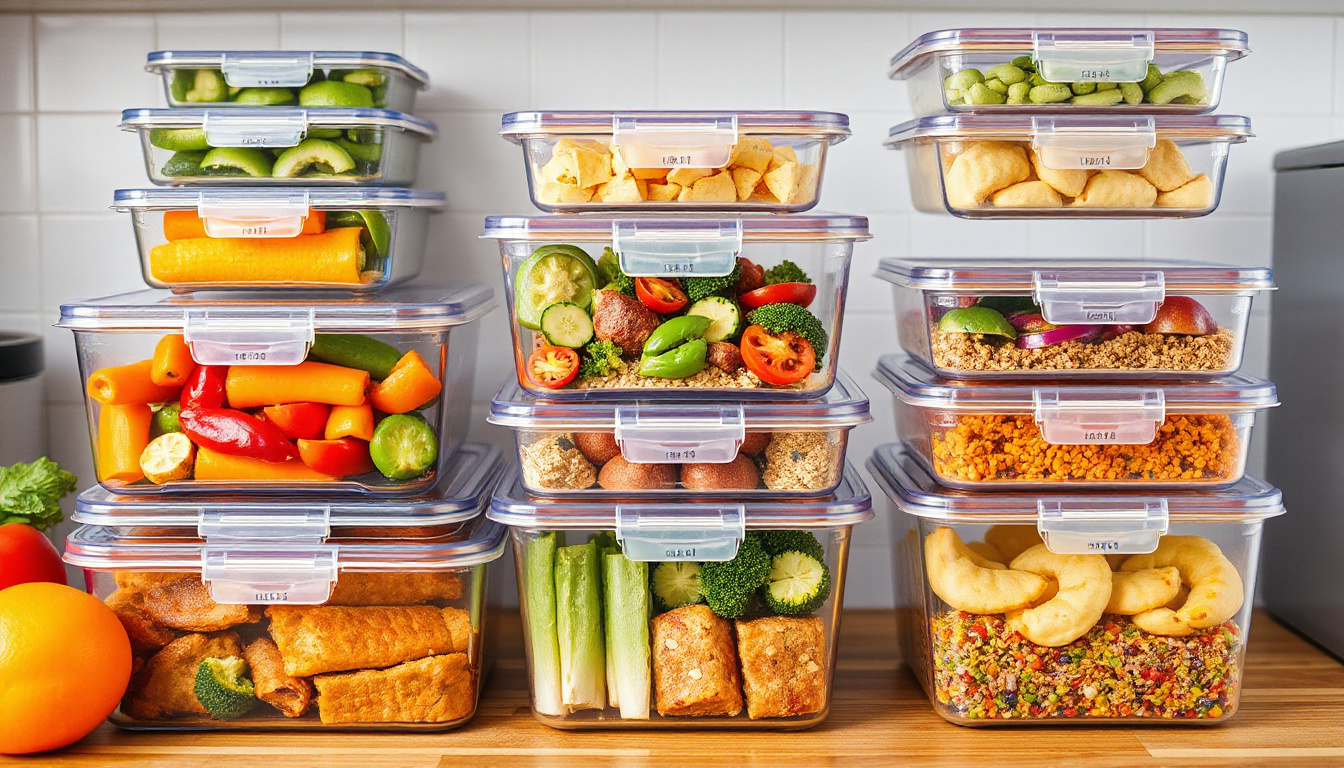
Freezing meals and leftovers is an excellent way to save time, reduce food waste, and maintain a budget-conscious kitchen. However, the key to preserving the taste, texture, and safety of your frozen foods lies heavily in selecting and using the right freezer-safe containers. This guide walks you through the essentials of choosing, using, and caring for freezer containers to maximize freshness and meal prep efficiency.
Why Use Freezer-Safe Containers?
Not every container is created equal when it comes to freezing food. Freezer-safe containers are specifically designed to withstand low temperatures, prevent freezer burn, and provide airtight seals that keep moisture and air out. Using non-freezer-safe containers can lead to cracking, leaking, freezer burn, or contamination of your food.
Types of Freezer-Safe Containers
1. Plastic Containers
- Materials: Look for containers made from BPA-free plastics such as HDPE (High-Density Polyethylene), LDPE (Low-Density Polyethylene), PP (Polypropylene), or PET (Polyethylene Terephthalate).
- Pros: Lightweight, affordable, usually stackable, and often dishwasher and microwave-safe (check labels).
- Cons: Some plastics may stain or retain odors, especially from acidic or strongly flavored foods like tomato sauce or onions.
- Tips: Let hot food cool before filling plastic containers to prevent warping or weakening the plastic.
Recommended: Brands like Rubbermaid Brilliance offer crystal-clear, stain- and odor-resistant containers with airtight locking lids that prevent leaks and spillage. These containers can go directly from freezer to microwave with a vented lid feature for safe reheating.
2. Glass Containers
- Materials: Tempered or specially marked freezer-safe glass is necessary.
- Pros: Durable, doesn’t retain odors or stains, and glass is recyclable.
- Cons: Heavier, more expensive, prone to breakage, and requires careful handling to prevent cracking due to food expansion.
- Tips: Always leave about ¾ inch of headspace to allow food to expand without damaging the glass. Wide-mouth jars like Ball mason jars work well for freezing soups and individual portions.
Glass containers are excellent for meals you plan to reheat in the microwave or oven, especially if you choose containers designed for freezer-to-oven use.
3. Silicone Containers & Trays
- Silicone is flexible, durable, and heat-resistant.
- Ideal for portioning soups, sauces, and baby food.
- Silicone trays like Souper Cubes allow you to freeze individual servings, which can be popped out and stored in bags or containers.
4. Freezer Bags
- Freezer-specific plastic bags are great for freezing liquids or irregularly shaped foods.
- They reduce air exposure, thus minimizing freezer burn.
- Reusable silicone freezer bags are an eco-friendly alternative, offering durability and airtight seals.
Characteristics to Look For in Freezer Containers
- Airtight Seal: Prevents leaks and freezer burn by keeping moisture and air out.
- Stackability: Helps efficiently organize freezer space.
- Durability: Containers should resist cracking and warping, especially when exposed to temperature changes.
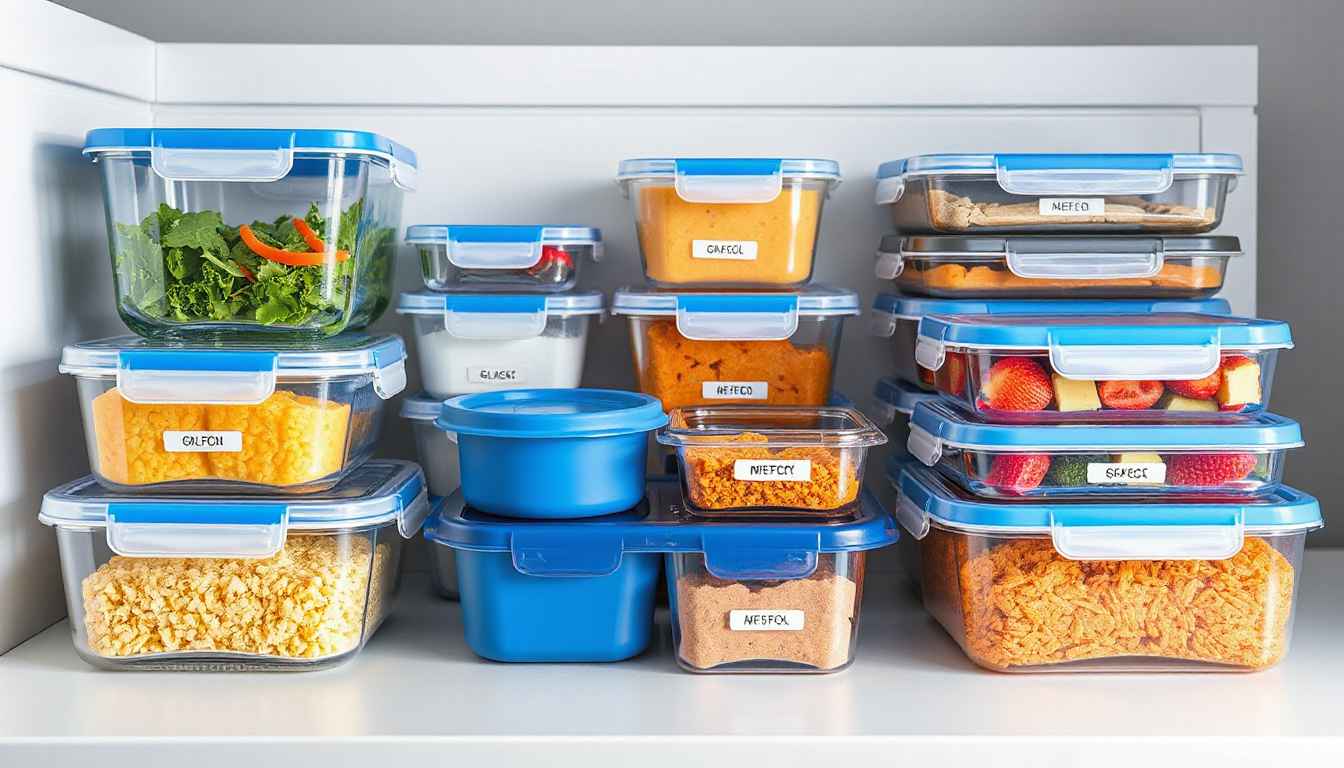
- Transparency: Clear containers help identify contents quickly without opening lids.
- Safe for Reheating: Microwave and oven-safe containers facilitate easy, one-dish reheats.
- Labeling Friendly: Containers with flat surfaces or included labels help track contents and dates.
Best Practices for Using Freezer-Safe Containers
- Leave Space for Expansion: Liquids and foods expand when frozen. Leave ¼ to ½ inch space at the top to avoid pressure build-up and cracking.
- Cool Hot Foods Before Freezing: To protect containers and prevent raising freezer temperature, allow foods to cool before packing.
- Seal Tightly: Always ensure lids are properly sealed and latched to lock air out.
- Portion Wisely: Use individual or meal-sized containers to avoid repeatedly thawing large batches.
- Label Clearly: Use freezer-safe markers or labels to write contents and freezing date.
- Avoid Overloading: Don’t overfill containers or freeze unevenly shaped items that may cause damage or inefficient freezing.
- Freeze Flat When Possible: For bags or flexible containers, freeze contents laid flat. This method stacks well and thaws faster.
- Stack and Organize: Use stackable containers to optimize freezer space.
Container Recommendations Based on Use
| Use Case | Best Container Type | Notes |
|---|---|---|
| Soups, stews, sauces | Airtight plastic or glass containers | Look for leak-proof lids; consider Souper Cubes for small portions |
| Meal prep and reheating | Glass containers with lids | Tempered glass suitable for freezer-to-microwave/oven use |
| Freezer-to-oven meals | Tempered glass pans or foil pans | Disposable foil pans for convenience; glass pans for reuse |
| Portion control | Silicone trays or small-sized containers | Silicone trays like Souper Cubes for easy separation and thawing |
| Long-term storage | Vacuum-sealed bags or rigid containers | Vacuum sealers can extend freshness further |
Additional Tips for Maximizing Food Freshness
- Vacuum Seal: Consider vacuum-sealing foods or using containers compatible with vacuum sealing systems to reduce oxygen exposure.
- Avoid Acidic Foods in Plastic: Acidic ingredients may degrade certain plastics; glass is preferred for such foods.
- Prevent Cross-Contamination: Designate containers for specific food types if strong odors might transfer.
- Maintain Freezer Temperature: Keep your freezer at or below 0°F (-18°C) for optimal food preservation.
- Rotate Stock: Use FIFO (first in, first out) method by placing newer items behind older to consume frozen food timely.
Conclusion
Choosing the right freezer-safe containers is essential for preserving the flavor, texture, and safety of your frozen meals. Whether you prefer the lightweight versatility of high-quality plastic, the durability and odor resistance of glass, or the convenience of silicone and freezer bags, remember the keys: airtight sealing, sufficient space for expansion, and proper labeling and organization. By investing in and using the appropriate freezer containers, you’ll streamline your meal prep, reduce waste, and enjoy delicious, fresh meals straight from your freezer.
Empower your kitchen with the ideal freezer-safe containers today and make meal prep and storage an effortless, fresh, and enjoyable experience!
>> Chest Freezer Reviews <<
>> Upright Freezer Reviews <<