
 By Susan Werner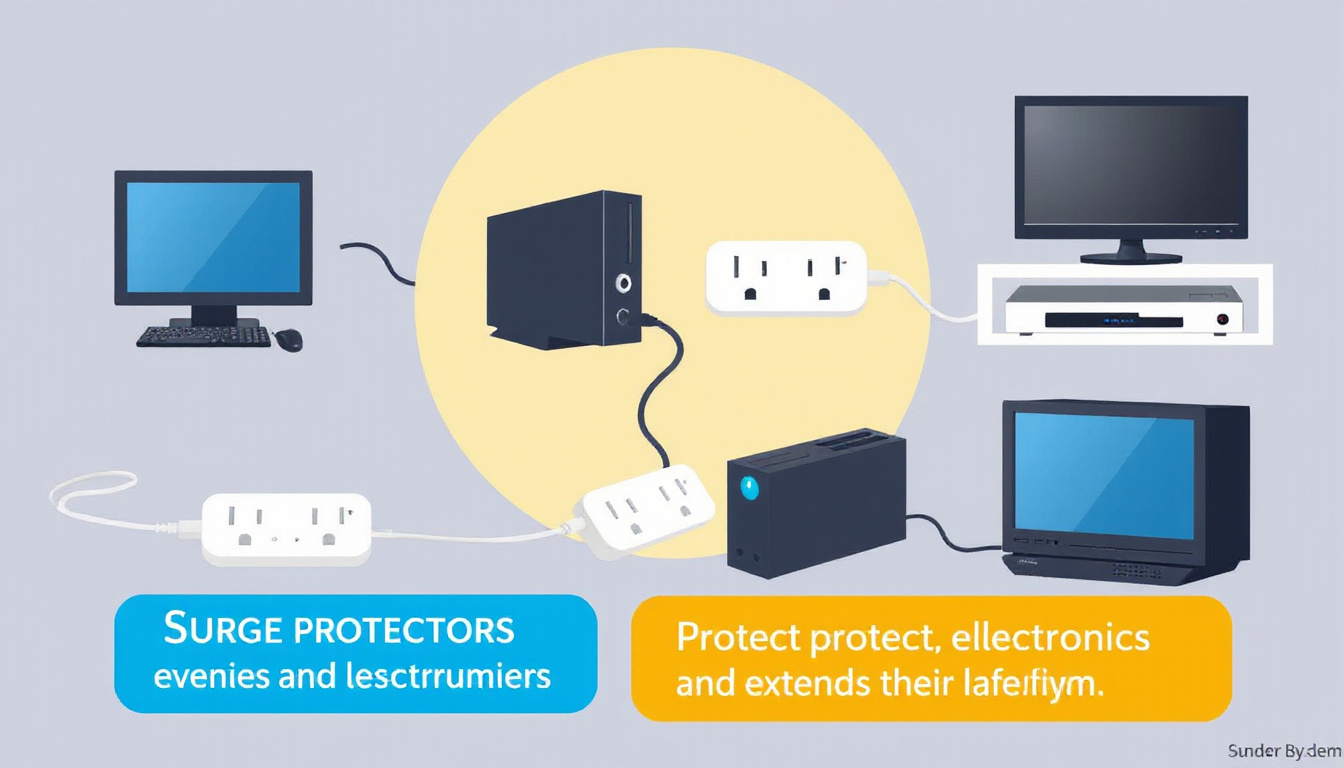
In today’s technology-driven world, protecting your valuable electronic devices is more important than ever. Power surges—sudden, unexpected spikes in electrical voltage—can cause immediate and severe damage to sensitive equipment such as computers, televisions, gaming systems, and home appliances. Fortunately, using a surge protector is a straightforward and cost-effective measure to safeguard your electronics and extend their lifespan. This guide will walk you through what a surge protector is, why it’s essential, and best practices for using it effectively.
What Is a Surge Protector and Why Use One?
A surge protector is a device designed to shield your electronics from voltage spikes that occur due to fluctuations in your power supply. These fluctuations may arise from external events like lightning strikes or power grid issues. More commonly, surges originate inside your home from everyday appliances cycling on and off, such as refrigerators, air conditioners, or even when power is restored after an outage.
Surge protectors work by diverting excess voltage away from connected devices, thus preventing the microprocessors inside electronics from being overloaded and damaged. Without surge protection, even a single power spike can result in costly repairs or replacement of your electronics.
Choosing the Right Surge Protector
Selecting an appropriate surge protector is the first step toward effective protection:
- Joule Rating: This number indicates how much energy the surge protector can absorb before it fails. Higher joule ratings mean better protection capacity.
- Outlet Number: Consider how many devices you need to connect. Ensure the surge protector has enough outlets, but avoid overloading it.
- Response Time: Faster response times help protect your devices more quickly in the event of a surge.
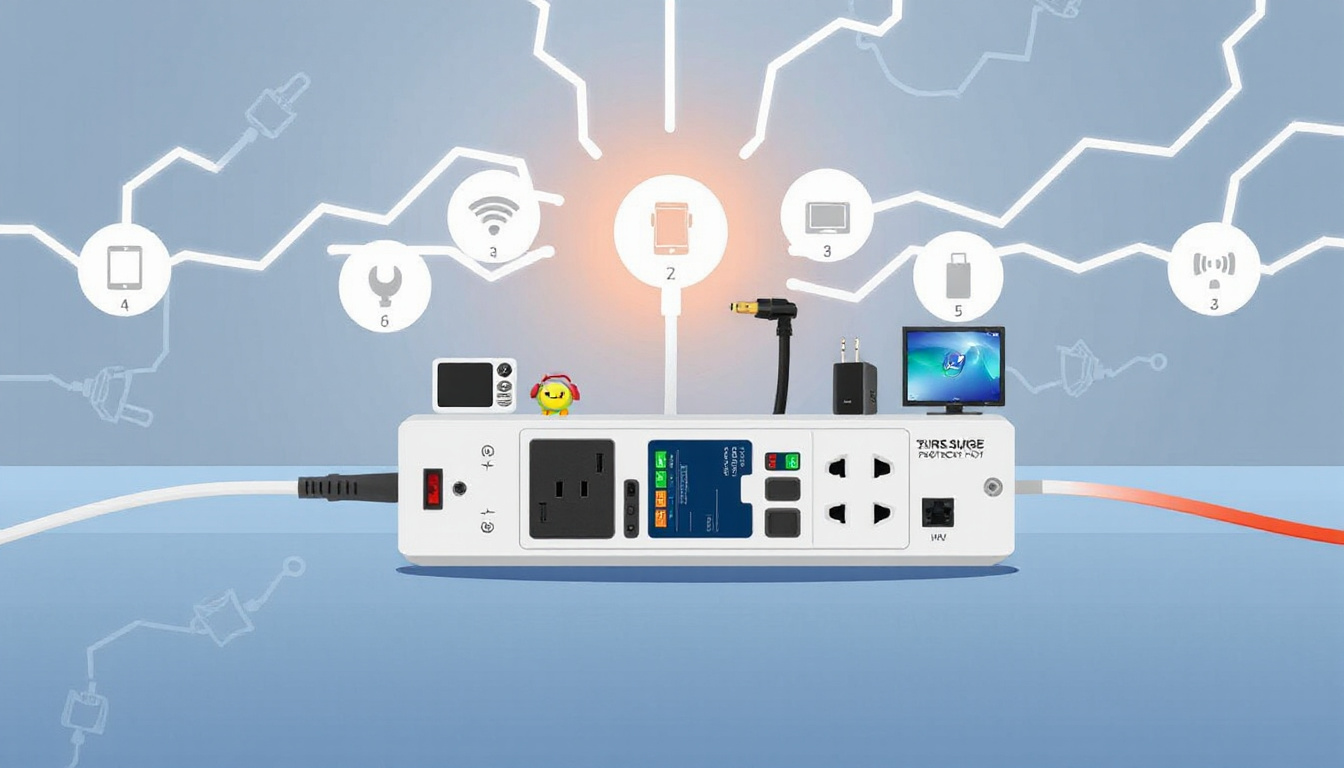
- Indicator Lights: Look for models with status indicators labeled “Protected” or “Grounded” that show the device is functioning properly.
- Built-in Circuit Breaker: This feature prevents overheating by cutting power if too much current flows through.
How to Use a Surge Protector Properly
-
Placement: Position the surge protector near your electronic devices in a well-ventilated, dry area. Avoid placing it under carpets, near heat sources, or in potentially damp locations like bathrooms or basements.
-
Plugging In: Connect the surge protector directly into a grounded wall outlet (three-pronged outlet). Using an extension cord or daisy-chaining surge protectors (plugging one surge protector into another) is unsafe and should be avoided.
-
Connecting Devices: Plug your sensitive electronics — such as computers, TVs, and gaming consoles — into the surge protector. Be mindful of the total current draw; most home outlets provide 15 amps, and surge protectors should not exceed this capacity. A good rule of thumb is to keep usage about 20% below the maximum rating (e.g., no more than 12 amps on a 15A surge protector).
-
Avoid High-Power Appliances: Keep heat-generating appliances like space heaters, toasters, and microwaves off the surge protector. These devices consume large amounts of power and can cause overheating. Dedicate a separate outlet or surge protector for such appliances if needed.
-
Regular Inspection and Replacement: Surge protectors do not last forever. Each surge absorbed reduces their capacity. Check the indicator lights periodically; if the “Protected” light goes off or the device shows any signs of wear (discoloration, cracks, melting), replace it immediately. Typically, surge protectors should be replaced every 2-3 years or after a major surge event.
-
Proper Cord Care: Always unplug the surge protector by gripping the plug, not by pulling the cord. Avoid pinching, crushing, or running the cord under rugs or heavy furniture to prevent damage.
Surge Protectors vs. UPS Devices
While surge protectors protect against voltage spikes, they do not provide power during outages. A UPS (Uninterruptible Power Supply) offers battery backup and surge protection. Plugging a surge protector into a UPS or vice versa is generally not recommended as it can cause electrical issues and may void warranties. Instead, choose a quality UPS with built-in surge protection for comprehensive defense.
Conclusion
Incorporating a surge protector into your electronic setup is a vital step for preserving the longevity and functionality of your devices. By selecting a surge protector with the right features, using it correctly, and maintaining it over time, you can shield your equipment from damaging power surges and enjoy peace of mind. Remember, not all surge protectors are created equal—invest in reputable brands and replace your surge protector as needed to maximize protection.
Taking these precautions ensures your valuable electronics serve you well, avoiding costly damage and downtime caused by unpredictable power surges.
>> Chest Freezer Reviews <<
>> Upright Freezer Reviews <<