
 By Susan Werner
Spills are an everyday occurrence—whether a dropped cup of coffee, a leaking refrigerator, or rainwater tracked inside. While they may seem minor, spills can cause more than just visual mess; they can lead to stains, slippery floors, accidents, and costly damages. Mastering the art of immediate spill cleanup is essential to maintain a clean, safe, and inviting environment. This guide combines expert recommendations and practical tips to help you effectively tackle spills as soon as they happen, preserving the beauty and safety of your home.
Why Cleaning Spills Immediately Matters
Prevent Stains and Damage
When liquids and other substances are left unattended, they can seep into surfaces, causing permanent stains or damage. Carpets, upholstery, hardwood floors, and porous countertops are particularly vulnerable. Prompt cleanup minimizes absorption and gives you the best chance to remove the spill completely.
Reduce Slip and Fall Risks
Slips and falls represent one of the leading causes of injuries in both residential and public spaces. According to data tracked by safety organizations, these accidents contribute to over 20% of emergency room visits, and their consequences can be severe, from sprains to fractures. Spills significantly contribute to slippery conditions, heightening the risk of accidents.
Maintain a Hygienic Environment
Spills can harbor bacteria and become breeding grounds for pathogens, especially if they involve food, drinks, or biological substances. Cleaning spills swiftly reduces the chance of contamination and keeps your living space fresh and sanitary.
Immediate Steps to Take When a Spill Occurs
-
Alert Others and Secure the Area
As soon as a spill happens, inform those around you—especially in shared spaces—to prevent accidents. If the spill is on a walkway or commonly traveled area, place a visible warning sign or barrier such as cones or tape to alert people to the hazard. -
Contain the Spill
Prevent the spill from spreading further by quickly isolating the area. This might involve closing the bottle or source of the spill if safe, surrounding the spill with absorbent materials like paper towels or cloths, or placing absorbent pads around it. -
Gather Appropriate Cleaning Supplies
Use materials suited to the type of spill:- For liquids, clean absorbent items like microfiber cloths and spill kits.
- For broken glass or sharp debris, wear gloves and carefully pick up pieces using a dustpan or thick paper.
- For chemical spills, consult the Safety Data Sheet (SDS) and wear recommended personal protective equipment (PPE).
Effective Spill Cleanup Techniques
-
Absorb and Remove Liquids
Quickly blot the spill using a clean cloth or paper towels, avoiding rubbing which can push liquid deeper into surfaces. Replace cloths as they become saturated to prevent spreading. -
Clean and Disinfect the Area
After absorption, clean the spill area with soap and water or a suitable cleaner to remove residues. For persistent stains, use recommended stain removers or natural alternatives like baking soda or vinegar, depending on the material. -
Dry Thoroughly
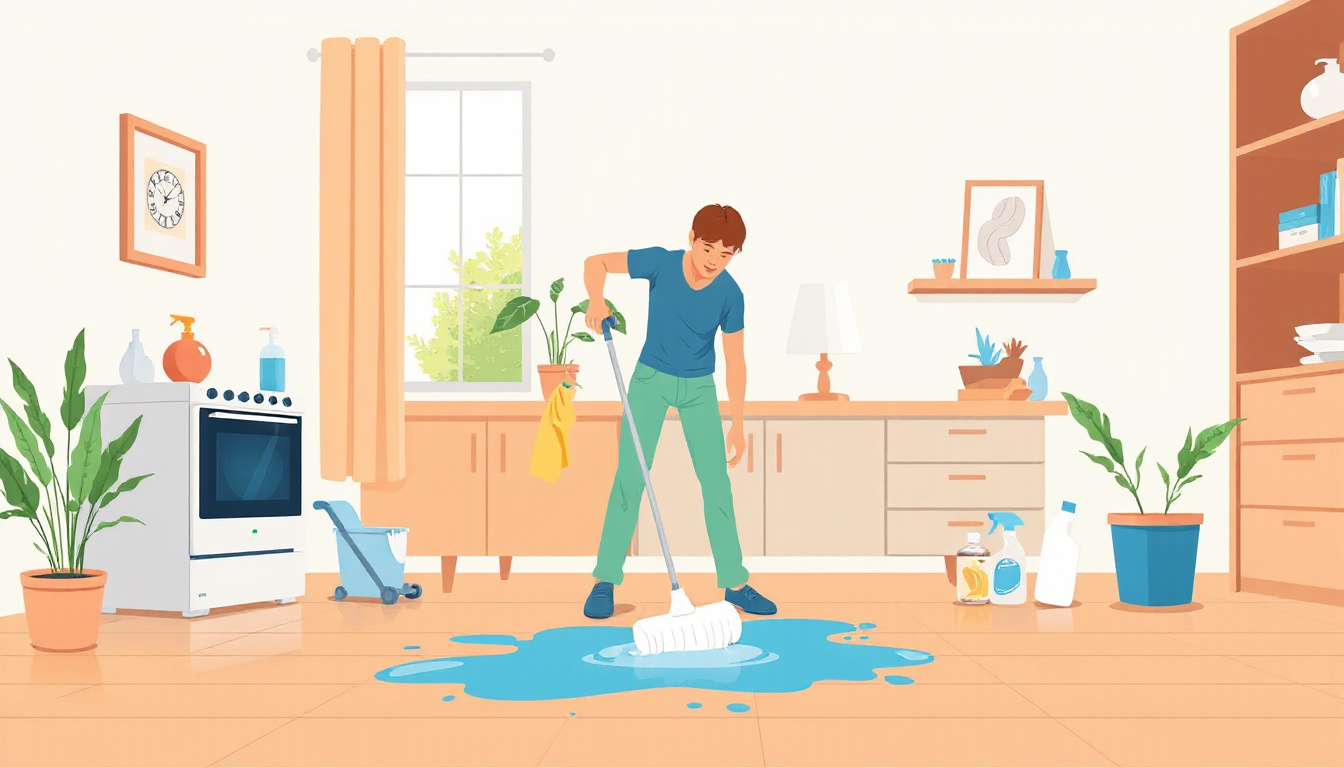
Moisture left behind can damage flooring or attract dirt. Use a dry mop, cloth, or airflow from a fan to ensure the area is completely dry and safe. -
Dispose of Waste Properly
Safely discard used cleaning materials. For hazardous or chemical spills, double or triple bag waste, label it correctly, and follow local disposal guidelines to avoid environmental harm.
Specialized Spill Cleanup Considerations
-
Chemical Spills
In the event of chemical spills, especially in laboratories or garages, it’s crucial to assess whether the spill can be safely managed personally. Large spills (>1 liter), volatile or toxic chemicals require evacuation and professional cleanup by qualified hazardous material teams. Always consult the SDS for specific handling instructions. -
Biological or Hazardous Material Spills
If biological substances or potentially infectious materials are involved, use gloves and disinfectants, rinse affected skin or eyes if exposed, and seek medical attention if necessary. -
Non-Hazardous Household Spills
For common home spills like water, juice, or mild detergents, standard cleaning methods with absorbent cloths and household cleaners suffice.
Tools and Tips to Simplify Spill Management
-
Create a Spill Response Kit
Keep a dedicated kit stocked with absorbent pads, disposable gloves, trash bags, cleaning sprays, paper towels, and warning signs. Accessible spill kits ensure swift response whenever spills occur. -
Opt for Spill-Resistant Surfaces
Consider materials such as sealed countertops, water-resistant floors, or non-porous fabrics where possible, minimizing penetration and easing cleanup. -
Harness Advanced Cleaning Technologies
Manual mopping can spread spills and germs. Contemporary tools like wet/dry vacuums or cleaning machines equipped with vacuum suction and scrubbing functions efficiently remove spills without spreading them around. -
Prevent Spills Before They Happen
Use mats at entrances to trap moisture, maintain equipment like refrigerators to avoid leaks, and manage clutter to reduce accidental spill occurrences.
Conclusion
Immediate spill cleanup is a simple yet powerful practice that safeguards your home’s appearance, health, and safety. By acting without delay, using the right techniques and tools, and understanding when professional help is needed, you can confidently manage spills and keep your environment spotless. Remember, the key to mastering spill cleanup is preparation and quick response—your home and loved ones will thank you.
Stay proactive and prepared: clean spills immediately to protect your home from stains, accidents, and hazards!
>> Chest Freezer Reviews <<
>> Upright Freezer Reviews <<