
 By Susan Werner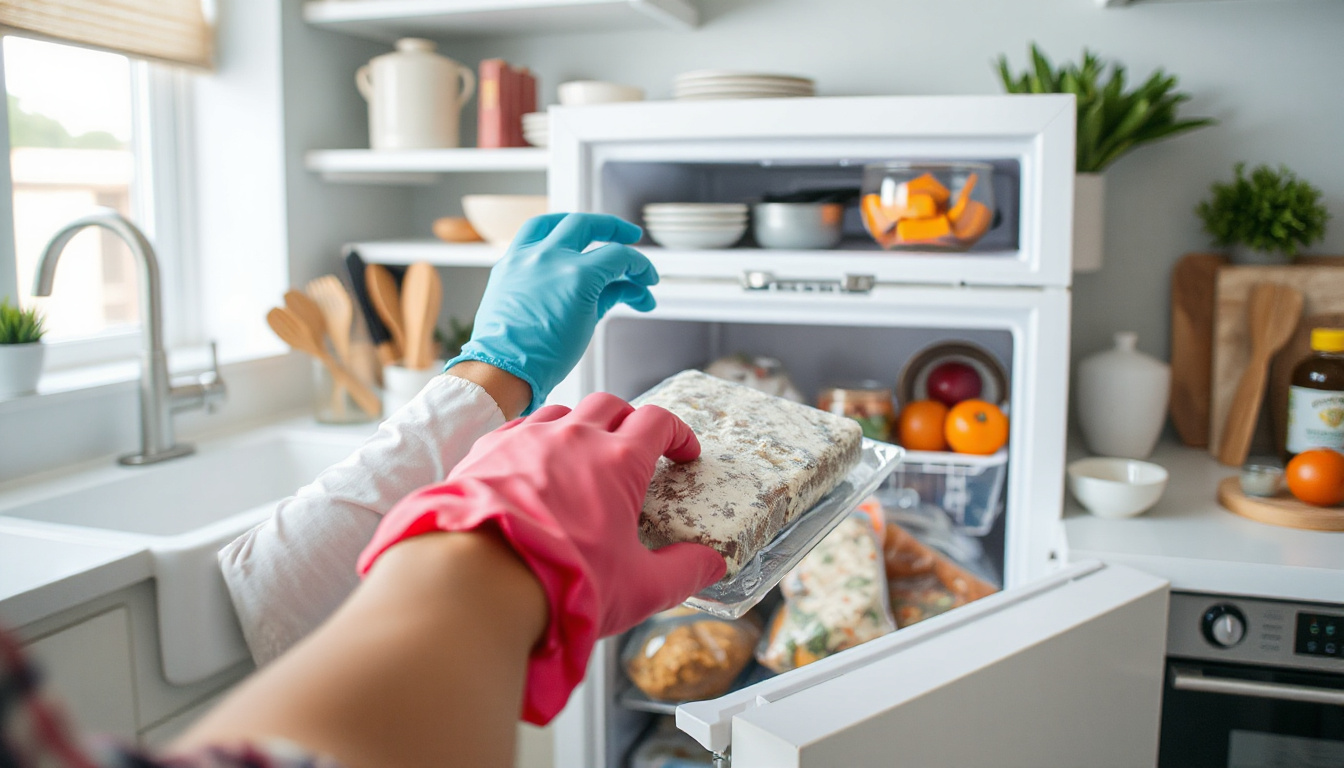
Handling frozen food is a routine task in many kitchens, warehouses, and food service environments. However, working with frozen products poses specific challenges and risks that make the use of gloves not only advisable but essential for safety, hygiene, and efficiency. This article explores why using gloves when handling frozen food is important, the types of gloves best suited for this purpose, and tips for selecting and using gloves effectively.
Why Use Gloves When Handling Frozen Food?
1. Protection Against Cold Injuries
Frozen food is stored at very low temperatures, often well below freezing. Direct contact with such cold surfaces or products without protection can lead to discomfort, numbness, frostbite, or cold burns on the skin. Gloves designed for freezer or cold store use provide thermal insulation that protects hands from extreme cold, maintaining comfort and preventing injury.
2. Improved Grip and Dexterity
Frozen food items are frequently slippery due to ice crystals or moisture. Handling them with bare hands can increase the risk of dropping products, potentially causing physical injury or product damage. Gloves made with specialized coatings such as latex or nitrile offer enhanced grip and dexterity, enabling safer and more efficient handling.
3. Hygiene and Food Safety
Food safety standards require minimal direct contact of hands with food products to prevent contamination. Disposable or food-grade gloves act as a hygienic barrier, protecting both the handler and the food from transmission of bacteria, viruses, or other contaminants. Gloves compliant with food safety standards (e.g., EN 1186) are advisable.
4. Protection Against Cut and Mechanical Risks
Handling frozen foods sometimes involves dealing with sharp edges—frozen packaging or ice shards—or using tools. Gloves with cut-resistant properties add an essential layer of protection, reducing the risk of cuts and punctures in such environments.
Types of Gloves Suitable for Handling Frozen Food
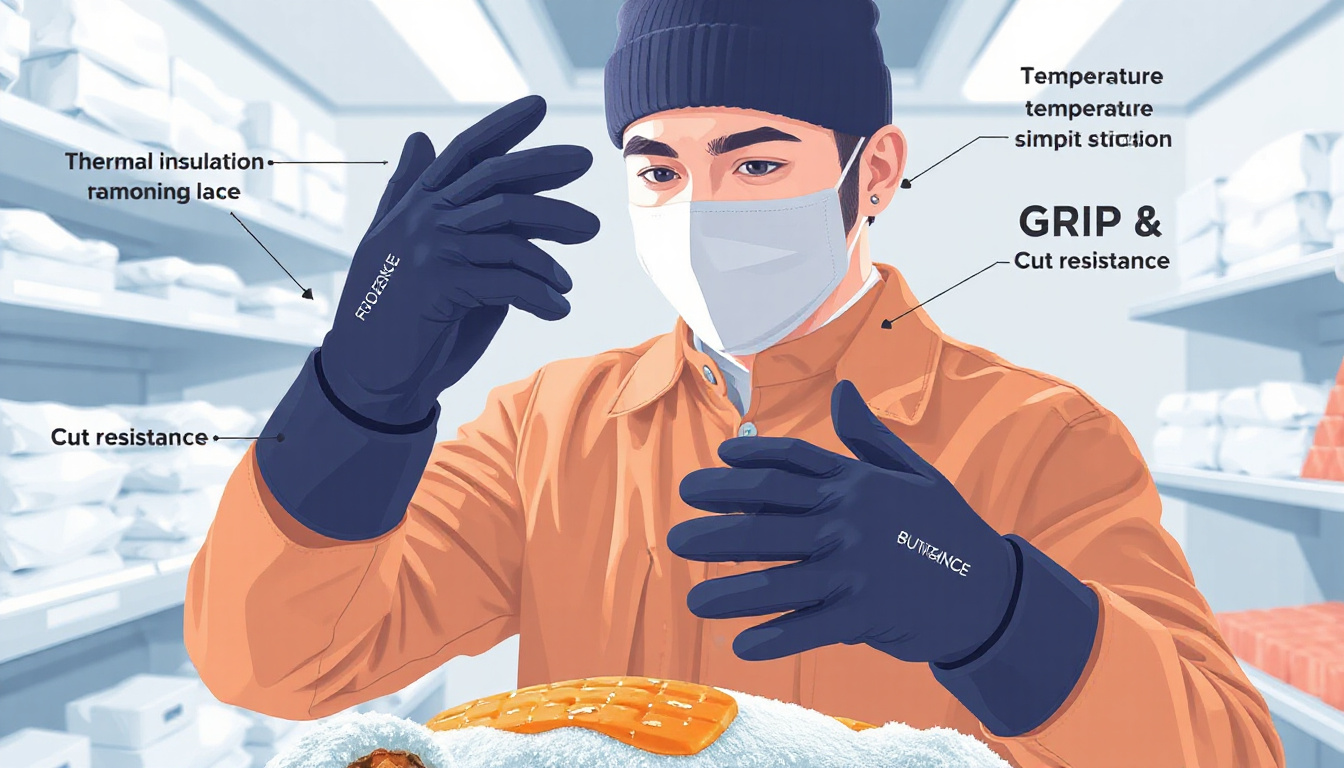
Various glove types are designed specifically for cold environments and food handling. When selecting gloves, consider the specific needs of your tasks, such as temperature exposure, moisture, dexterity requirements, and safety standards.
Thermal and Freezer Gloves
- Thermal insulated gloves: These gloves incorporate insulating materials such as fleece or Thinsulate to maintain hand warmth.
- Contact cold resistant gloves: Certified to EN 511 standards, these gloves protect against convective and contact cold, ensuring safety in freezing conditions.
- Waterproof features: Many freezer gloves include waterproof coatings or materials to prevent moisture penetration while maintaining thermal protection.
Food-Safe Disposable Gloves
- Nitrile gloves: Powder-free, latex-free nitrile gloves offer excellent resistance to chemicals, punctures, and provide good tactile sensitivity. Also widely accepted as food safe.
- Latex gloves: Natural rubber latex gloves offer flexibility and good compliance with food safety but may cause allergic reactions in sensitive individuals.
- Vinyl gloves: Vinyl disposable gloves are an alternative food-safe option, although they provide less elasticity and durability than nitrile or latex.
Cut-Resistant Gloves
- Gloves with cut resistance ratings (levels 1 to 5) help prevent injuries from sharp frozen food edges or equipment handling.
Specialized Gloves for Extreme Cold
- For the coldest environments (e.g., cryogenic or very low temperatures), gloves such as those used for handling dry ice provide very high thermal protection.
Tips for Selecting Gloves for Frozen Food Handling
- Assess Your Environment and Tasks: Consider the temperature range and whether contact with liquids or chemicals is expected.
- Choose the Right Material: For cold insulation combined with grip, look for gloves featuring thermal liners and latex or nitrile coatings.
- Check Safety Standards: Ensure gloves meet relevant norms such as EN 511 for cold protection and EN 1186 for food contact safety.
- Size and Dexterity: Gloves should fit snugly but allow comfortable movement and tactile sensitivity, essential for food handling.
- Disposable vs. Reusable: Disposable gloves are suited for food hygiene and contamination control, whereas reusable freezer gloves are better for prolonged cold exposure.
- Hygiene Practices: Change disposable gloves frequently and wash reusable gloves according to manufacturer instructions to maintain cleanliness.
Conclusion
Using gloves when handling frozen food is a crucial practice to safeguard your health, ensure food safety, and enhance handling efficiency. Whether in a home kitchen, restaurant, or industrial cold storage, the right gloves protect against temperature extremes, slips, cuts, and contamination risks. Investing in gloves designed for freezer environments—considering thermal insulation, grip, cut resistance, and food safety—helps create a safer and more productive workspace.
Always choose gloves that suit your specific needs and comply with safety standards. Proper glove use paired with good hygiene habits will keep your hands safe, your frozen food uncontaminated, and your kitchen running smoothly.
>> Chest Freezer Reviews <<
>> Upright Freezer Reviews <<