
 By Susan Werner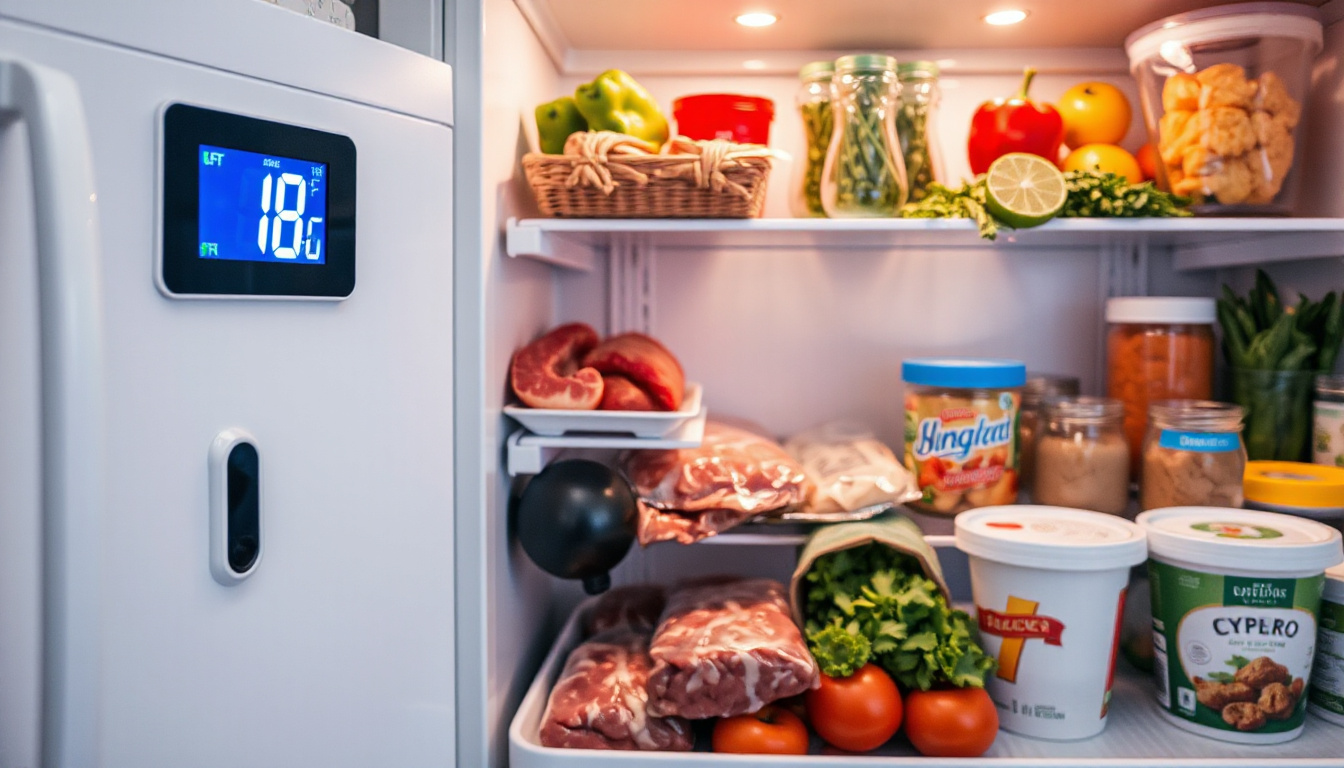
Maintaining the correct freezer temperature is essential for preserving the quality, safety, and freshness of your frozen foods. Both experts and government agencies agree that setting your freezer to 0°F (-18°C) is optimal for long-term food storage. Here’s how to effectively keep your freezer at this ideal temperature and why it matters.
Why 0°F (-18°C) Is the Ideal Freezer Temperature
Freezing food at 0°F (-18°C) or below halts the growth of bacteria, molds, and yeasts that cause food spoilage and foodborne illness. While freezing doesn’t kill these microorganisms outright, it inactivates them by preventing their growth, maintaining food safety indefinitely as long as the temperature remains consistent.
Additionally, keeping food frozen at or below 0°F reduces the risk of freezer burn, a form of dehydration and oxidation that negatively affects taste and texture. Freezer burn occurs when frozen food partially thaws and refreezes, forming ice crystals on its surface—common if temperatures fluctuate above the recommended setting.
How to Set and Monitor Your Freezer’s Temperature
-
Set to 0°F (-18°C): Start by adjusting your freezer thermostat to 0°F (-18°C). Most modern freezers come with digital controls or a dial setting, sometimes numbered instead of providing explicit temperatures. When only numbers are available (e.g., 0 to 5), the highest setting generally corresponds to the coldest temperature.
-
Use an Appliance Thermometer: To verify your freezer’s actual temperature, place a thermometer inside for an accurate reading. Relying solely on the built-in dial can be misleading if it’s not calibrated correctly.
-
Simple Water Test: Without a thermometer, you can place an 8-ounce cup of water in the freezer and check if it freezes solid within an hour. If not, your freezer may not be maintaining the proper temperature.
-
Check Regularly: Freezer settings can drift due to power fluctuations, frequent door openings, or mechanical issues. Regular monitoring helps ensure food stays safely frozen.
Optimizing Freezer Use for Temperature Stability
-
Keep the Freezer Adequately Full: A freezer that’s about 75-80% full holds cold better and uses energy more efficiently. If your freezer isn’t full, you can add bags of ice or containers of water to fill space. Avoid overcrowding, which blocks air circulation necessary for even cooling.
-
Minimize Door Opening: Each time the freezer door opens, cold air escapes and warm air enters, causing temperature fluctuations. Store frequently used items near the front to reduce door-open time.
-
Proper Food Packaging: To prevent moisture loss and freezer burn, seal foods tightly in air-tight containers, freezer bags, or wrap them securely with plastic wrap or aluminum foil. Removing excess air from packages further protects quality.
-
Place Temperature Sensitive Items Strategically: Store delicate items like ice cream away from the door to protect them from temperature fluctuations. For freezers with multiple compartments, keep meat and seafood in the coldest areas (usually the bottom or back).
What Happens If the Temperature Is Too High or Too Low?
-
Too Warm: Freezers above 0°F (about -18°C) compromise food safety and quality. Bacterial growth could resume if temperatures rise above 40°F (4°C), and food may thaw partially, promoting freezer burn or spoilage.
-
Colder Than 0°F: Setting your freezer a few degrees below 0°F won’t harm your food and offers an extra margin of safety. However, colder settings can lead to increased energy consumption and may make items like ice cream overly hard.
What to Do During Power Outages
Keep freezer doors closed to maintain cold temperatures. A fully stocked freezer will keep food safe and frozen for approximately 48 hours during a power outage; half-full freezers will maintain temperature for roughly 24 hours.
Summary
Ensuring your freezer is set at 0°F (-18°C) is a key step in maintaining food safety and freshness. Pair this with thoughtful food organization, proper packaging, and regular temperature monitoring to maximize efficiency and protect the quality of your frozen goods. Following these best practices helps you avoid food waste, reduce health risks, and enjoy frozen foods at their best.
References:
- U.S. Department of Energy, Refrigerator Freezer Use and Temperature Tips
- Whirlpool, What’s the Best Freezer Temperature?
- Simply Recipes, The Only Temperature You Should Set Your Freezer To, According to the Experts
>> Chest Freezer Reviews <<
>> Upright Freezer Reviews <<