
 By Susan Werner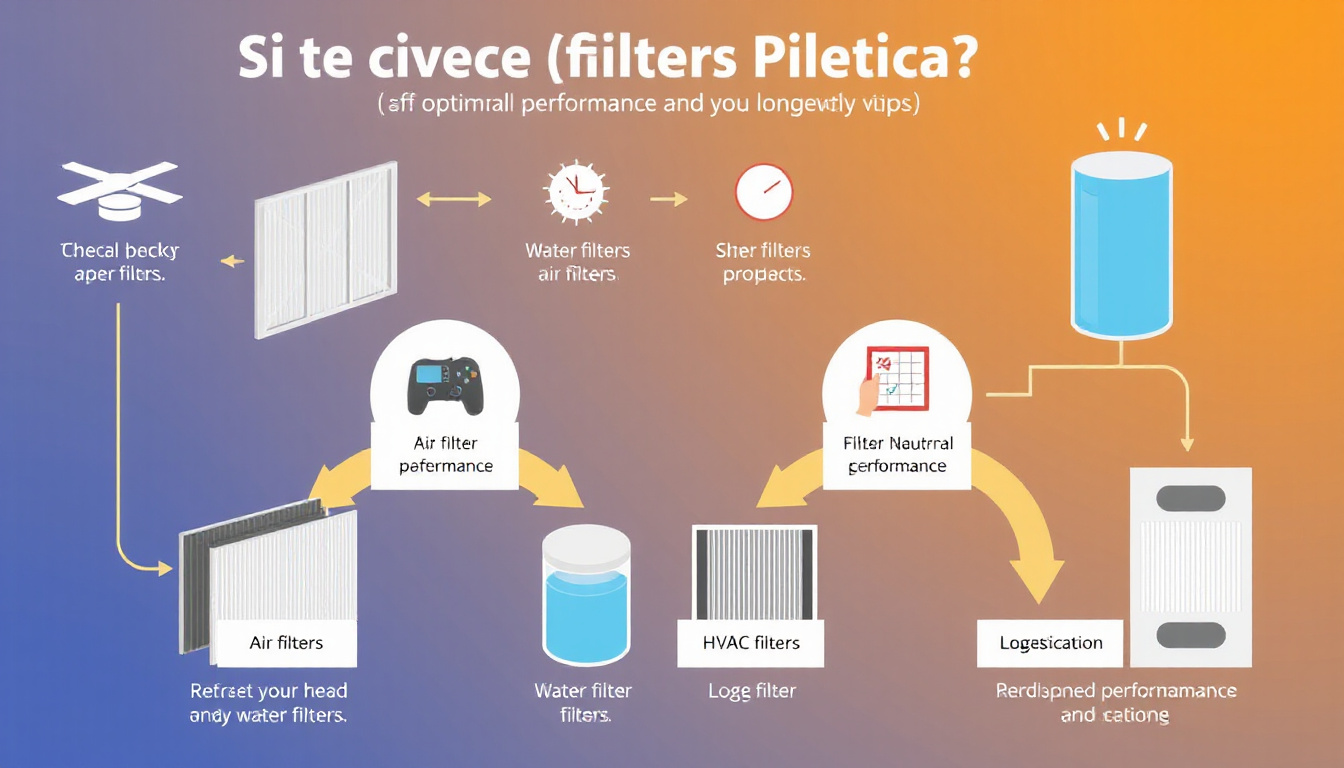
Filters play a crucial role in maintaining the performance and air quality of various systems, particularly in HVAC (Heating, Ventilation, and Air Conditioning) units. Regular checking and timely replacement of filters not only ensure efficient operation but also promote healthier indoor environments. This comprehensive guide explains why and how to check and replace filters, helping you optimize system function and maintain comfort in your home or workplace.
Why Checking and Replacing Filters Matters
Filters trap dust, pollen, pet dander, mold spores, and other airborne contaminants, preventing them from circulating through your indoor environment. Over time, they become clogged with these particles, which can impede airflow and reduce the efficiency of your system. Ignoring filter maintenance can lead to:
- Reduced air quality and potential health issues such as allergies and respiratory problems.
- Increased strain on your HVAC or ventilation system, causing higher energy consumption.
- Possible damage to system components due to poor airflow and overworking.
- Growth of mold or bacteria on saturated filters, worsening contamination.
Hence, routine inspection and replacement of filters are vital for both system longevity and occupant well-being.
How Often Should You Check and Replace Filters?
The frequency at which you should check and replace filters varies based on several factors:
1. Filter Type
- Fiberglass Filters: These are affordable but less efficient and typically require replacement every 30 days or less.
- Pleated Filters: More efficient and usually last up to 90 days, but replacement frequency depends on usage and environment.
2. Home Size and HVAC Usage
Larger homes circulate more air and often need more frequent filter changes. Conversely, smaller homes may require less frequent replacements, though small appliances with small filters could still need monthly checks.
3. Environmental Conditions
Living in urban areas with high pollution, near construction sites, or regions affected by wildfire smoke leads to faster accumulation of particles and more frequent replacement.
4. Presence of Pets
Pets contribute additional hair, dander, and tracked-in dirt, all of which clog filters faster. Homes with one or more pets should inspect filters monthly.
5. Allergies and Health Concerns
Individuals with allergies or respiratory issues benefit from higher-quality filters and a more frequent replacement schedule to minimize airborne triggers.
6. Seasonal Changes
Filtration needs increase during heavy heating or cooling seasons due to constant HVAC operation. Mild seasons might reduce usage but keep in mind that open windows can introduce outdoor allergens. Running your system’s fan continuously during off-seasons can improve air circulation but also increases filter wear.
7. Occupancy Levels
Higher occupancy (especially with children) introduces more pollutants like dust and dander, warranting more frequent replacement. Vacation homes or low-occupancy residences can often extend filter life.
How to Check Your Filters
The most reliable way to know when to replace filters is to perform a monthly visual inspection:
- Hold the filter up to a light source: If little or no light passes through, the filter is clogged.
- Look for damage: Torn or bent filters reduce efficiency and need immediate replacement.
- Check for mold or moisture: Signs of mold or dampness require urgent replacement to avoid health risks.
Professional systems may measure the pressure difference across the filter using a differential pressure gauge. A rising pressure difference (commonly above 150-250 pascals) indicates the filter is saturated and restricting airflow.
Step-by-Step Guide to Replacing Filters
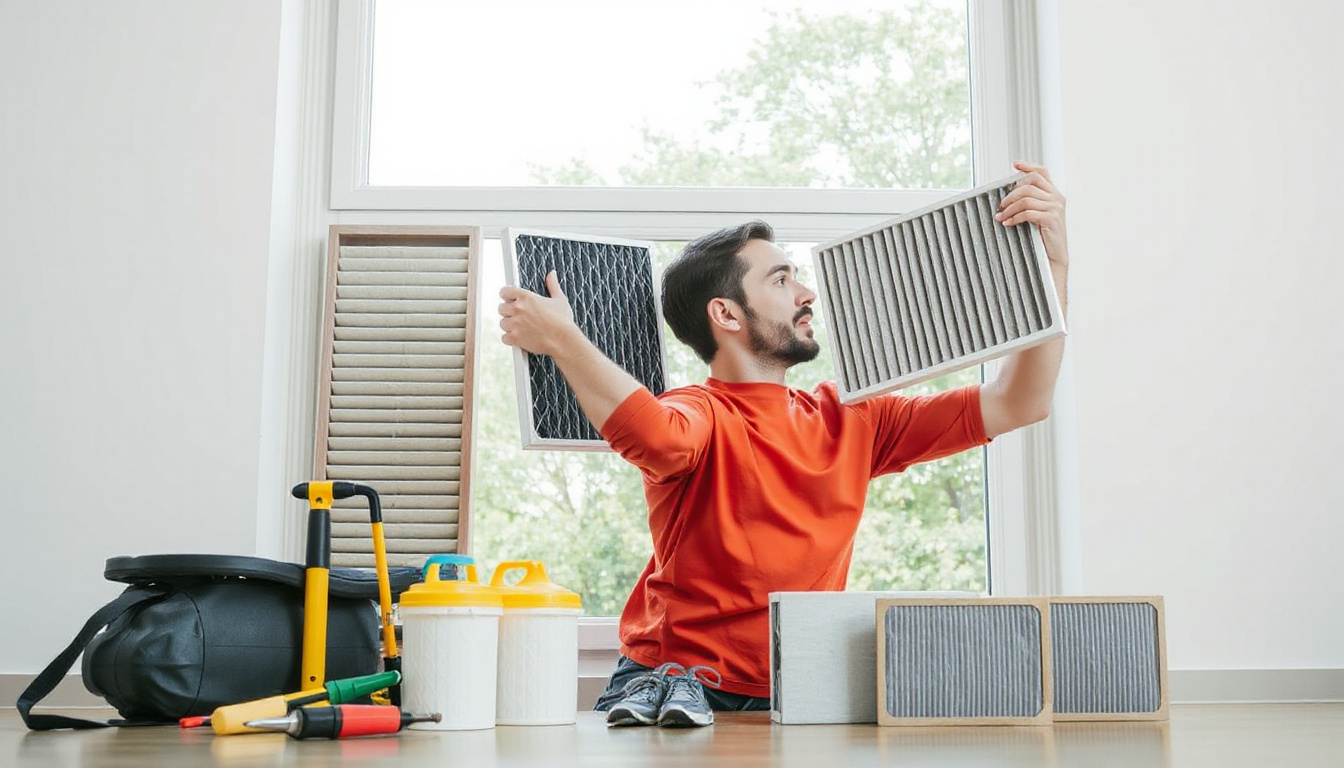
Replacing filters safely and correctly is just as important as inspecting them.
1. Prepare Yourself
Wear protective gloves and a mask to avoid inhaling allergens or contaminants trapped in the filter.
2. Turn Off the System
Switch off the HVAC or ventilation system completely to prevent dust dispersal during filter removal.
3. Remove Old Filters
Carefully take out the dirty filter and place it in a sealed bag to contain dust particles.
4. Inspect Filter Housing
Check the mounting frame, seals, and clamps for wear or damage before installing a new filter.
5. Install New Filters
- Ensure the new filter is the correct size.
- Position pleated or bag filters as recommended (e.g., pleats should be vertical to maintain shape).
- For multiple filtration stages, install filters starting with the lowest efficiency and progressing to higher ones.
6. Dispose of Old Filters Responsibly
Seal used filters properly and dispose of them according to local regulations to avoid environmental harm.
Choosing the Right Filter
Selecting appropriate filters depends on your system specifications and air quality needs:
- Efficiency rating: Higher MERV ratings capture finer particles but may restrict airflow if your system isn’t designed for them.
- Sustainability: Opt for recyclable or eco-friendly filters when possible to minimize environmental impact.
- Subscription Services: Consider filter delivery services that automatically send replacements on a schedule, helping you stay on track.
Summary and Additional Tips
- Inspect filters monthly—visual checks are critical for timely replacements.
- Adjust replacement frequency based on filter type, home size, airflow usage, pets, and local air quality.
- Always power down systems before replacing filters to enhance safety.
- Maintain your systems alongside filter changes for optimal results.
Proper filter maintenance improves indoor air quality, extends HVAC life, and saves energy costs. By incorporating regular filter checks and replacements into your home upkeep routine, you ensure the cleanest air and most efficient system operation.
If you want help selecting the right filters or advice on installation, many suppliers and professionals provide support to ensure you get the best performance out of your filtration system.
Take charge of your air quality and system health today—check your filters regularly and replace them as needed to breathe easy and live comfortably!
>> Chest Freezer Reviews <<
>> Upright Freezer Reviews <<