
 By Susan Werner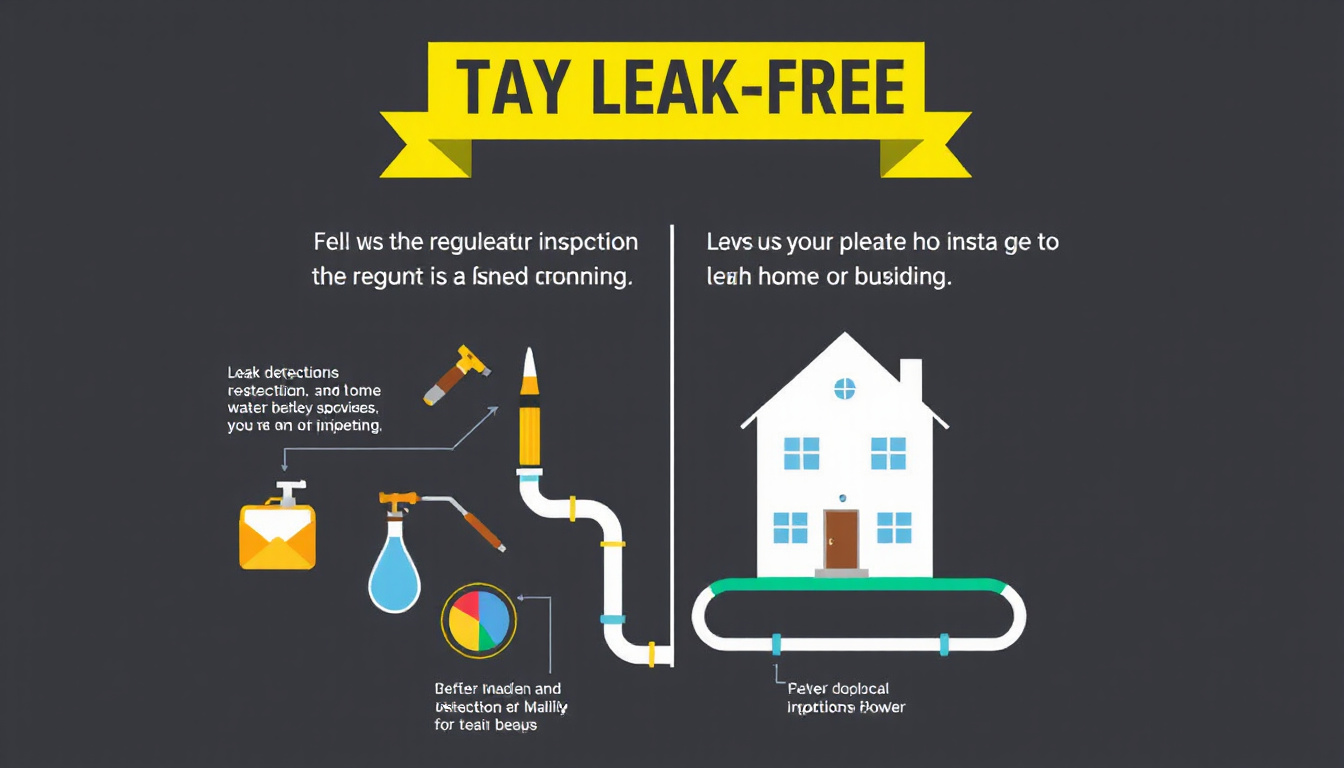
Leaks—often silent and invisible—can wreak havoc in both homes and commercial properties. Undetected leaks not only cause costly water damage but also lead to increased utility bills, structural problems, and health concerns such as mold growth. Regular inspections and timely leak detection are critical strategies for preventing these issues before they escalate. This guide provides practical steps and insights into how you can stay ahead of leaks through routine checks, signs to watch for, and when to call in professionals.
Why Regular Leak Inspections Are Essential
Water leaks, no matter how minor they may seem, can inflict severe damage over time. Small drips eventually grow into major water intrusion problems, leading to:
- Structural damage including warped floors, cracked walls, and weakened foundations
- Health risks from mold and mildew thriving in damp environments
- High water bills due to wasted water escaping unnoticed
- Damage to belongings like furniture, electronics, and flooring materials
Regular inspections allow you to spot problems early, making repairs easier, less costly, and less disruptive. For commercial properties, the stakes are even higher due to complex plumbing systems and higher water usage.
Common Sources and Causes of Leaks
Understanding where leaks commonly occur can guide your inspection efforts:
- Aging or corroded pipes: Over time, metal pipes rust or crack leading to leaks.
- Faulty plumbing fixtures: Worn-out seals, valves, or flappers (especially in toilets) often leak silently.
- High water pressure: Excessive pressure puts stress on pipes causing bursts or slow leaks.
- Tree root intrusion: Roots can penetrate underground pipes causing cracks and leaks.
- Clogged drains and broken seals: Blockages may cause leaks upstream in pipes or around drainage fixtures.
- Environmental factors: Ground shifting, weather extremes, and soil erosion can damage plumbing underground or behind walls.
How to Regularly Inspect for Leaks: DIY Methods
Many leak detection strategies can be performed by homeowners or business operators on a routine basis.
1. Monitor Your Water Meter
One of the easiest and most reliable ways to detect hidden leaks:
- Shut off all water usage: faucets, appliances, irrigation.
- Record the current water meter reading.
- Wait 30 to 60 minutes without using water.
- Check the meter again—any increase signals a leak.
2. Conduct the Food Coloring Toilet Test
Toilet leaks cause significant water waste and are often overlooked:
- Remove the toilet tank lid.
- Add a few drops of food coloring to the tank water.
- Wait 10–15 minutes without flushing.
- If colored water appears in the bowl, the flapper or seal is leaking.
3. Visual Inspection of Pipes and Fixtures
Look for subtle signs around your property:
- Water stains or discoloration on walls and ceilings
- Mold, mildew, or musty odors
- Damp spots or pooling water near sinks, appliances, and boots
- Corroded or rusted pipes
- Loose pipe fittings or dripping sounds
4. Listen for Unusual Water Sounds
At quiet times (late night or early morning), listen throughout your property:
- Continuous dripping or running water sounds with no fixtures in use can indicate hidden leaks.
- Use your ear to locate the most prominent sound for further inspection.
Recognizing Signs That Indicate Leak Detection Is Needed
Regular personal inspections might miss some hard-to-detect leaks. Here are key indicators that call for professional leak detection services:
- Unexplained increase in water bills: Sudden spikes without changes in water usage habits.
- Water stains or peeling paint on ceilings and walls: These surface clues often underline hidden moisture problems.
- Low water pressure: May suggest leaks or blockages impairing flow.
- Damp, musty-smelling basements or crawl spaces: Signs of persistent moisture.
- Pooling water in the yard or near outdoor faucets: May indicate broken underground pipes or irrigation leaks.
- Warped, buckling floors or sagging ceilings: Water damage alters structural materials.
- Continuous sounds of running water: Especially behind walls or under floors.
Advanced Leak Detection Techniques: When and Why to Call Professionals
For hidden leaks beyond visible inspection or simple tests, professional leak detection employs specialized tools:
- Acoustic leak detection: Uses microphones to detect water escaping from pipes.
- Infrared thermal imaging: Reveals temperature differentials indicating moisture behind walls or floors.
- Moisture meters: Measure dampness levels in materials to pinpoint leak areas.
- Video camera pipe inspections: Visually examine interior of pipes for cracks or blockages underground or within walls.
Quick professional intervention solves issues thoroughly, preventing further damage and costly repairs.
Preventative Maintenance Tips to Avoid Leaks
Regular prevention practices greatly reduce the risk of leaks:
- Schedule routine plumbing inspections annually (more often for older or commercial properties).
- Monitor and maintain water pressure levels to avoid excessive strain.
- Replace old plumbing fixtures proactively before they fail.
- Keep gutters, downspouts, and drainage systems clear to prevent water backing up near your foundation.
- Protect outdoor pipes and irrigation from freezing and root intrusion.
- Respond promptly to any sign of leaks—even minor ones.
Conclusion
Staying leak-free starts with vigilance through regular inspections and understanding leak indicators. Homeowners and business operators can perform straightforward checks such as monitoring water meters, inspecting visible plumbing, and observing water bills. However, when evidence points to hidden leaks, leveraging professional leak detection tools ensures precise identification and fast resolution, preserving the safety, comfort, and value of your property.
Adopting a proactive approach to leak inspections protects your investment and promotes water conservation, offering peace of mind today and in the future. Make leak inspections a regular part of your maintenance routine—your home or business will thank you.
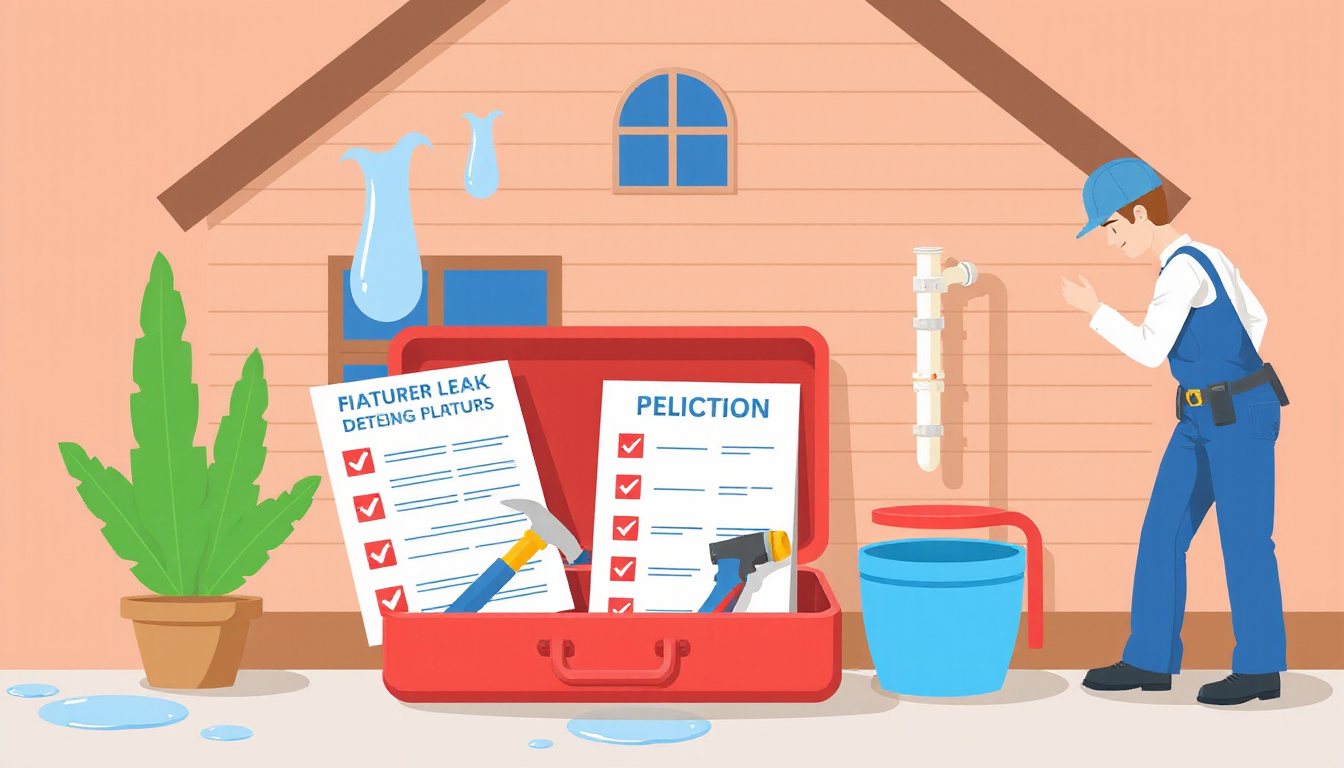
Quick Checklist: Regular Leak Inspection Essentials
- Check water meter readings with all water off.
- Perform food coloring test on toilets every 6 months.
- Visually inspect all accessible pipes, fixtures, and appliances monthly.
- Listen for unusual water sounds periodically.
- Monitor water bills for unexplained increases.
- Look for water stains, dampness, or musty odors in your property.
- Schedule professional plumbing inspections annually.
- Fix any suspected leaks immediately, or call a plumber for assessment.
By keeping leak inspections on your radar, you can effectively prevent water damage, mold growth, and excessive water waste, keeping your home or workplace safe and efficient.
>> Chest Freezer Reviews <<
>> Upright Freezer Reviews <<